
Introduction
By 2026, most agencies won’t be asking whether lifestyle photography matters. They’ll be asking whether it’s doing enough.
The visual landscape is crowded. Brands are competing for attention in smaller windows, across more platforms, with audiences that can spot inauthenticity instantly. Agencies sit at the centre of this pressure — responsible for delivering work that feels human, credible, and strategically sound.
So what do agencies actually need from lifestyle photography now?
Not trends.
Not surface-level authenticity.
Not another version of what already exists.
They need photography that works.
Photography That Understands the Brief Behind the Brief
Agencies don’t hire photographers to simply “get the shot.” They hire them to help solve visual problems.
In 2026, the most effective lifestyle photography:
-
Aligns with brand positioning, not just brand guidelines
-
Anticipates where and how images will be used
-
Supports copy, layout, and pacing rather than competing with them
Photographers who understand the intent behind a brief — not just the deliverables — reduce revisions, protect timelines, and elevate the final work. That kind of thinking is no longer optional; it’s expected.
Real Environments, Real People, Real Moments
Authenticity is no longer a differentiator. It’s the baseline.
Agencies are increasingly looking for imagery that feels believable without feeling raw. That means:
-
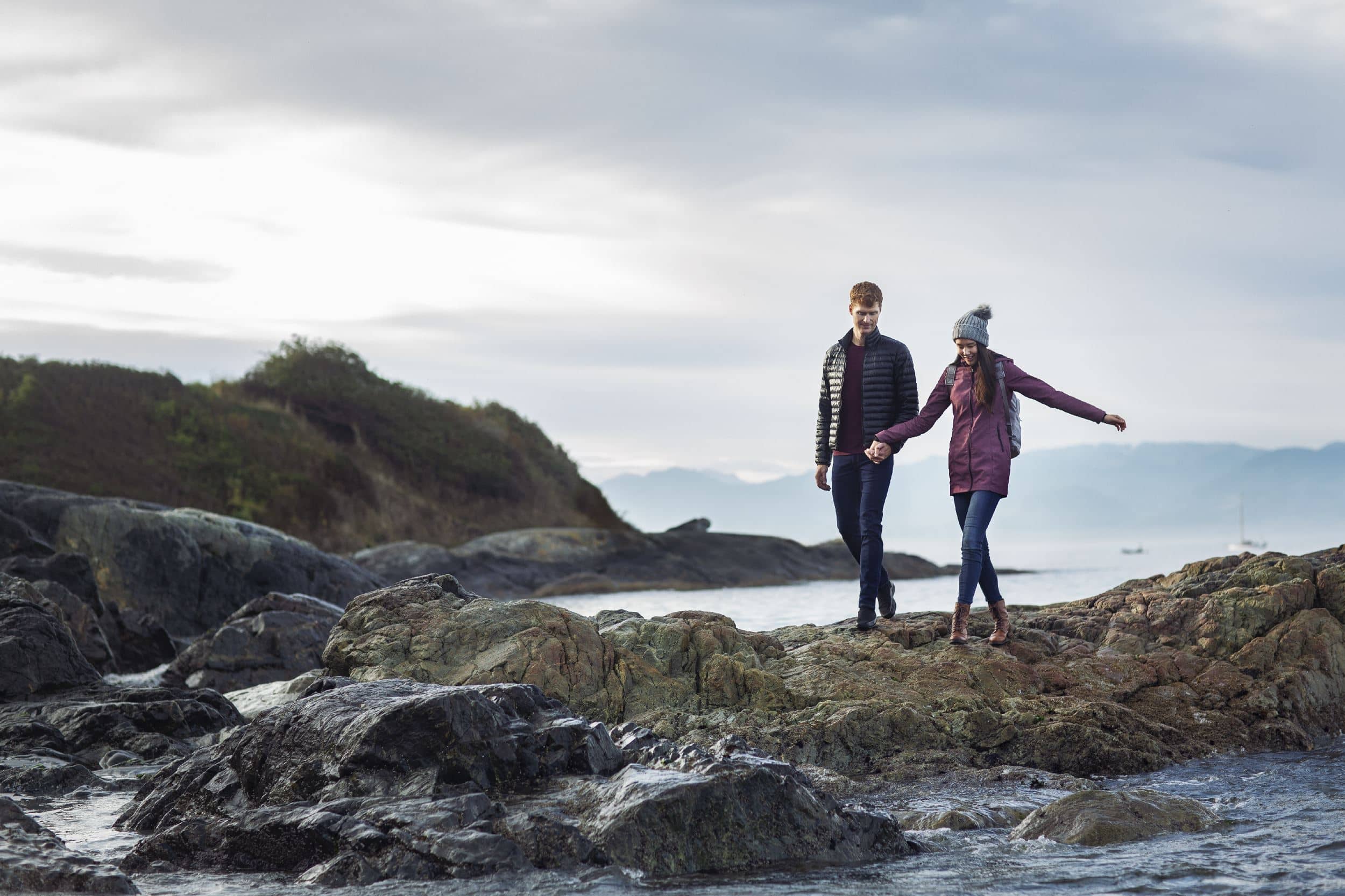
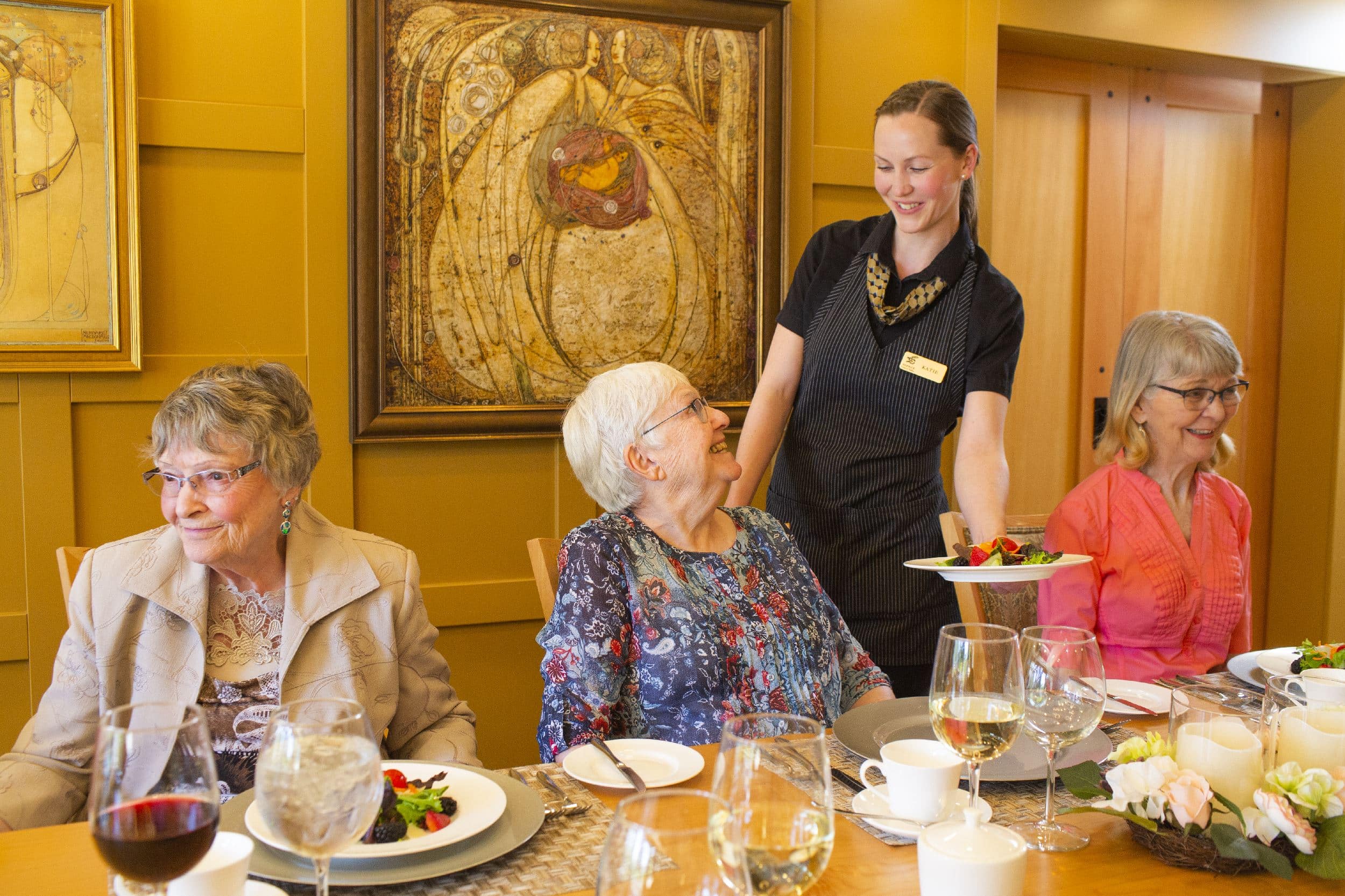
Real locations instead of generic or overly polished spaces
-
Direction that allows for natural movement and interaction
-
Subjects who feel like people, not placeholders
The goal isn’t documentary realism. It’s credible storytelling. The viewer should feel like they’ve stepped into a moment — not been sold one.
Campaign Thinking, Not Isolated Images
A single strong image rarely carries a campaign on its own.
What agencies need are photographers who can deliver:
-
Visual cohesion across an entire shoot
-
Multiple usable moments, not just hero frames
-
Consistency that holds together across formats and platforms
Editorial experience matters here. Campaigns succeed on narrative flow — the quieter images between the highlights are often what make the work usable long-term.

Calm, Professional Presence on Set
This part is rarely written into briefs, but agencies talk about it constantly.
Photographers who are most in demand:
-
Communicate clearly with clients and creatives
-
Keep sets moving without unnecessary tension
-
Read the room and adapt energy when needed
A photographer’s presence affects everything — from subject comfort to client confidence. In 2026, professionalism and emotional intelligence are as valuable as technical skill.

Long-Term Creative Partnership Over One-Off Shoots
Agencies aren’t just assembling campaigns. They’re building relationships.
The photographers agencies trust most:
-
Understand their creative standards over time
-
Can be relied on without micromanagement
-
Bring thoughtful ideas without ego
That level of trust only comes from consistency, experience, and shared expectations — and it’s what turns one project into many.
Closing Thought
Lifestyle photography in 2026 isn’t about chasing trends. It’s about earning confidence.
Confidence from agencies.
Confidence from brands.
Confidence from audiences who can immediately sense when something feels real.
When photography supports strategy, respects process, and delivers credibility, it stops being decoration — and becomes part of the work itself.
If you’re planning a campaign refresh, a rebrand, or questioning whether your current visuals are supporting your goals, I’m always open to a short, no-pressure conversation.