

Most organizations update their photography when something changes.
A new leader.
A shift in direction.
A refreshed website.
The images follow.
But what’s often overlooked is this:
The way people are shown is how the organization is understood.
Portraits Are Not Just Likeness
It’s easy to think of portraits as functional.
A record of who someone is.
A necessary asset for a website or report.
But portraits do more than identify.
They signal.
They communicate:
- Stability or uncertainty
- Confidence or hesitation
- Cohesion or fragmentation
And those signals are picked up quickly — often before any text is read.

Leadership Sets the Tone
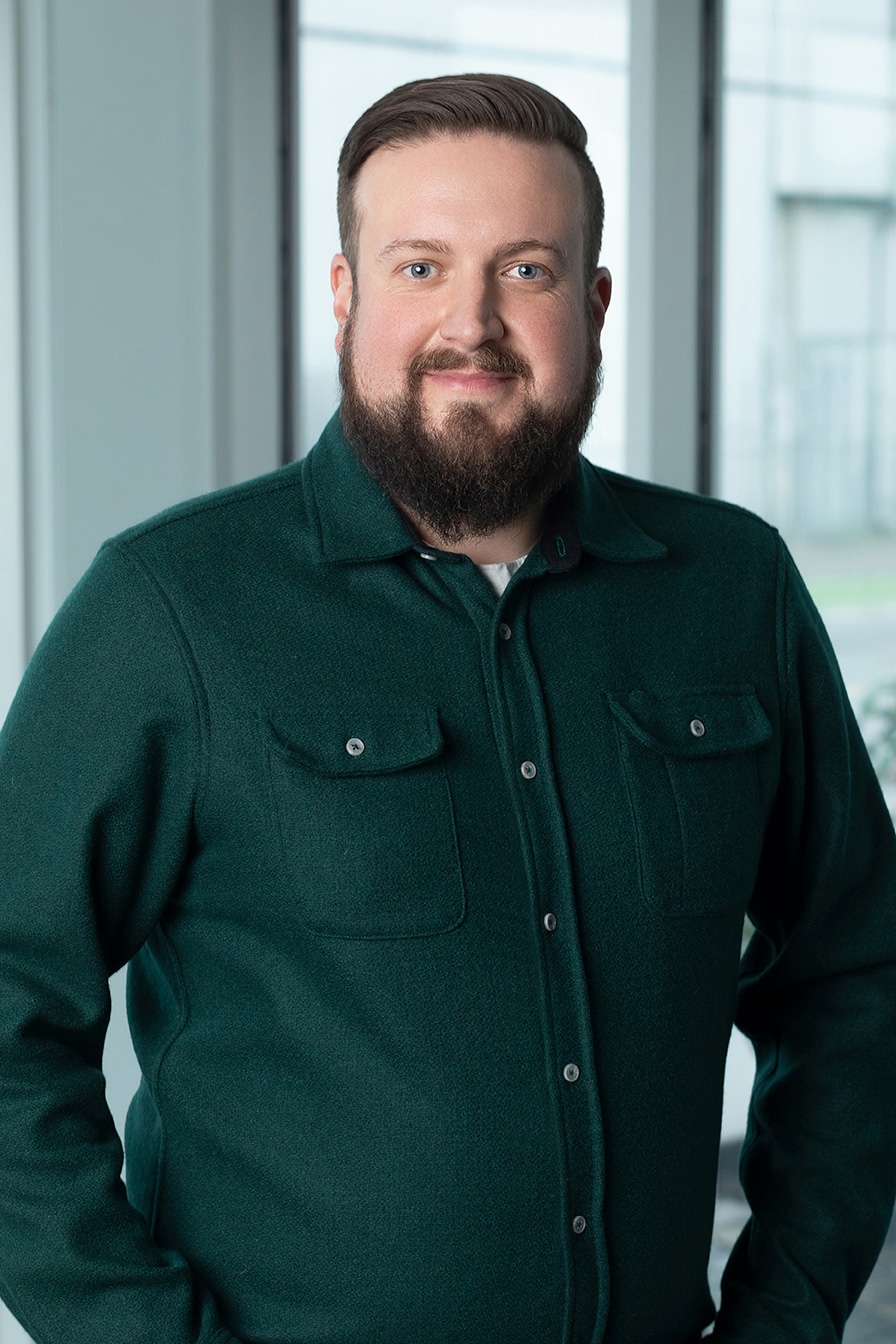
For many organizations, leadership imagery carries the most weight.
Not because it’s more important —
but because it’s interpreted as intentional.
A leadership portrait can suggest:
- Clarity of direction
- Approachability
- Authority
- Presence
Or, just as easily, the absence of those things.
Subtle differences matter:
- How someone is positioned
- How they engage the camera
- The environment around them
None of it needs to be dramatic.
But it does need to feel true.
Teams Communicate Cohesion
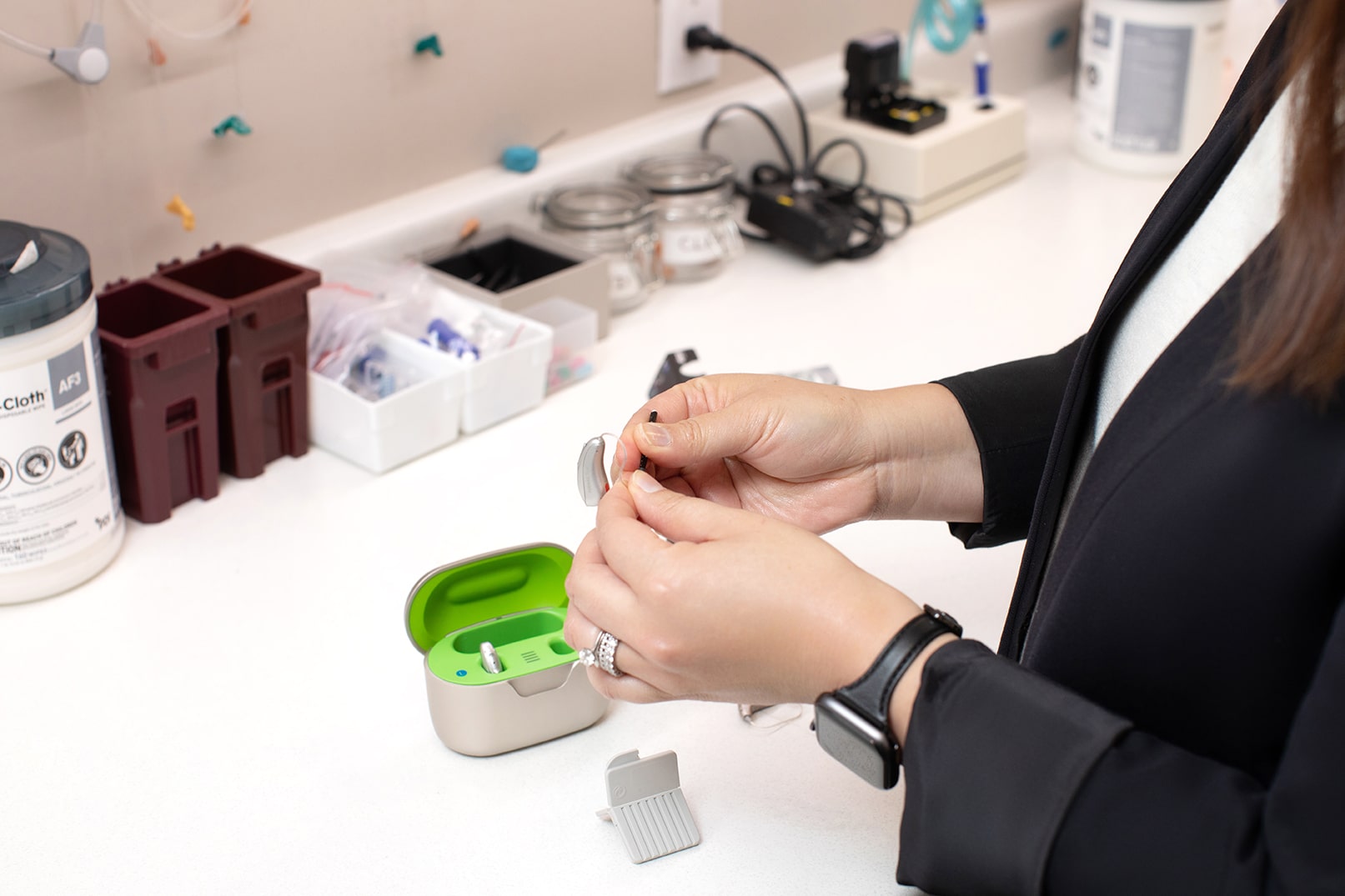
Beyond leadership, team imagery shapes how an organization feels.
Not in terms of scale —
but in terms of alignment.
When a team is photographed with consistency:
- In tone
- In light
- In approach
…it suggests something deeper.
That the organization is:
- Coordinated
- Intentional
- Working from the same place
When that consistency isn’t there, the opposite can be felt — even if the viewer can’t quite name it.


Editorial vs Commercial — A Useful Tension
Editorial portraiture often prioritizes narrative.
It allows for:
- Context
- Subtlety
- A sense of story
Commercial portraiture, on the other hand, needs to function.
It needs to:
- Integrate into layouts
- Support messaging
- Remain adaptable over time
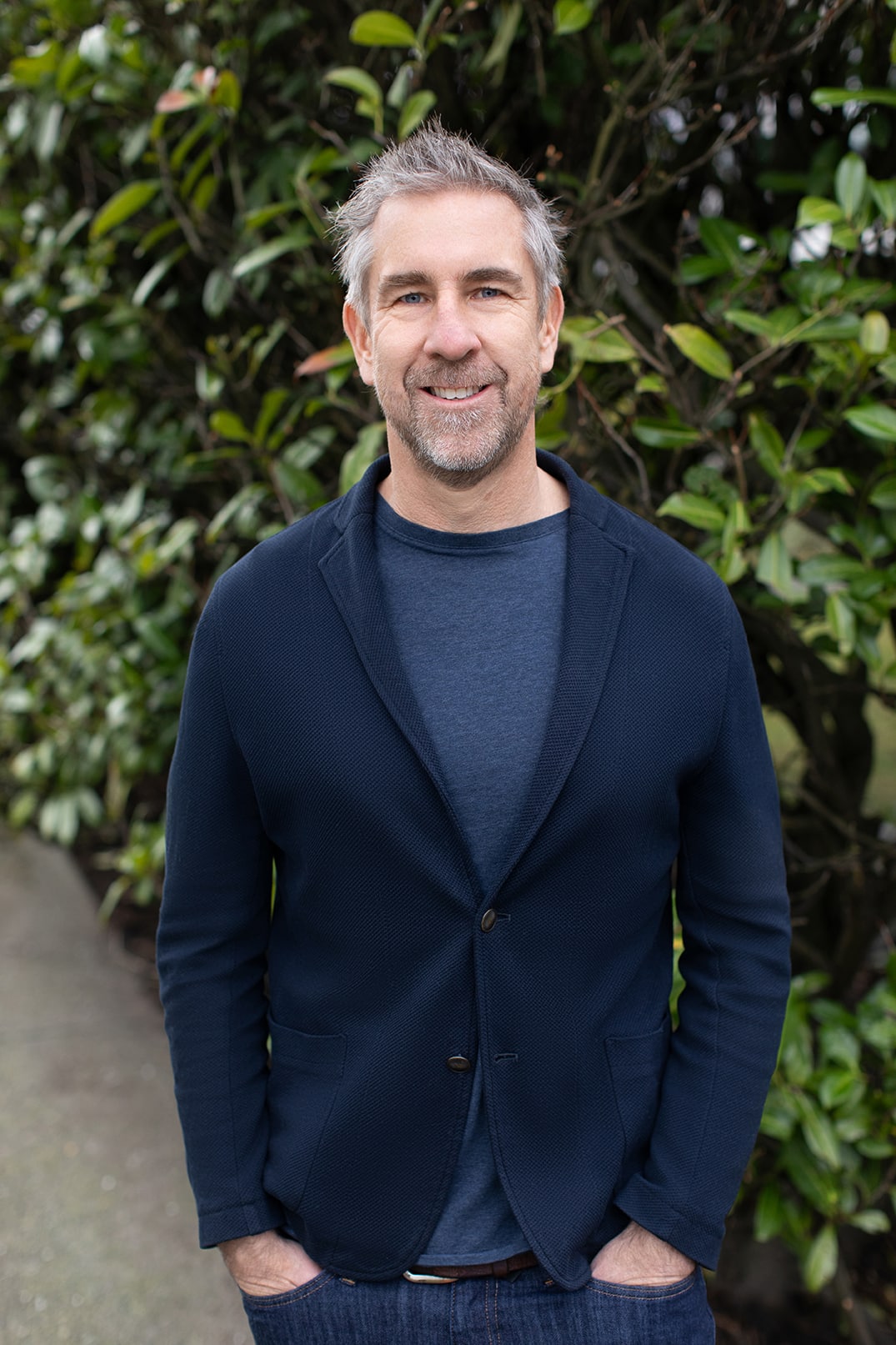
The most useful work often sits somewhere between the two.
Grounded enough to feel real.
Structured enough to be used.


Consistency Over Time
One of the more overlooked aspects of portrait work is continuity.
Not just within a single shoot —
but across months or years.
Organizations that revisit their imagery consistently begin to build something more than a collection of photos.
They build a visual language.
The way people are shown becomes recognizable.
Not repetitive —
but coherent.
And that coherence carries trust.
Where This Matters Most
Portraits tend to have the most impact in places where trust is being formed:
- Annual reports
- Organizational websites
- Recruitment materials
- Public-facing communications
In these contexts, imagery doesn’t sit on its own.
It supports — or undermines — everything around it.
A Quiet Responsibility
Photographing people in an organizational context carries a quiet responsibility.
Not just to make someone look good.
But to represent them accurately —
and in a way that supports the broader work they’re part of.
That doesn’t require heavy styling or over-direction.
It requires attention.
Closing Thought
The question isn’t whether an organization needs portraits.
Most do.
The question is:
What are those portraits communicating?
Because whether intentional or not —
they are always saying something.
Next Step
If you’re updating your team or leadership imagery and want it to feel aligned, consistent, and genuinely representative of your organization, I’m always open to a conversation.
Contact: Get in touch here