
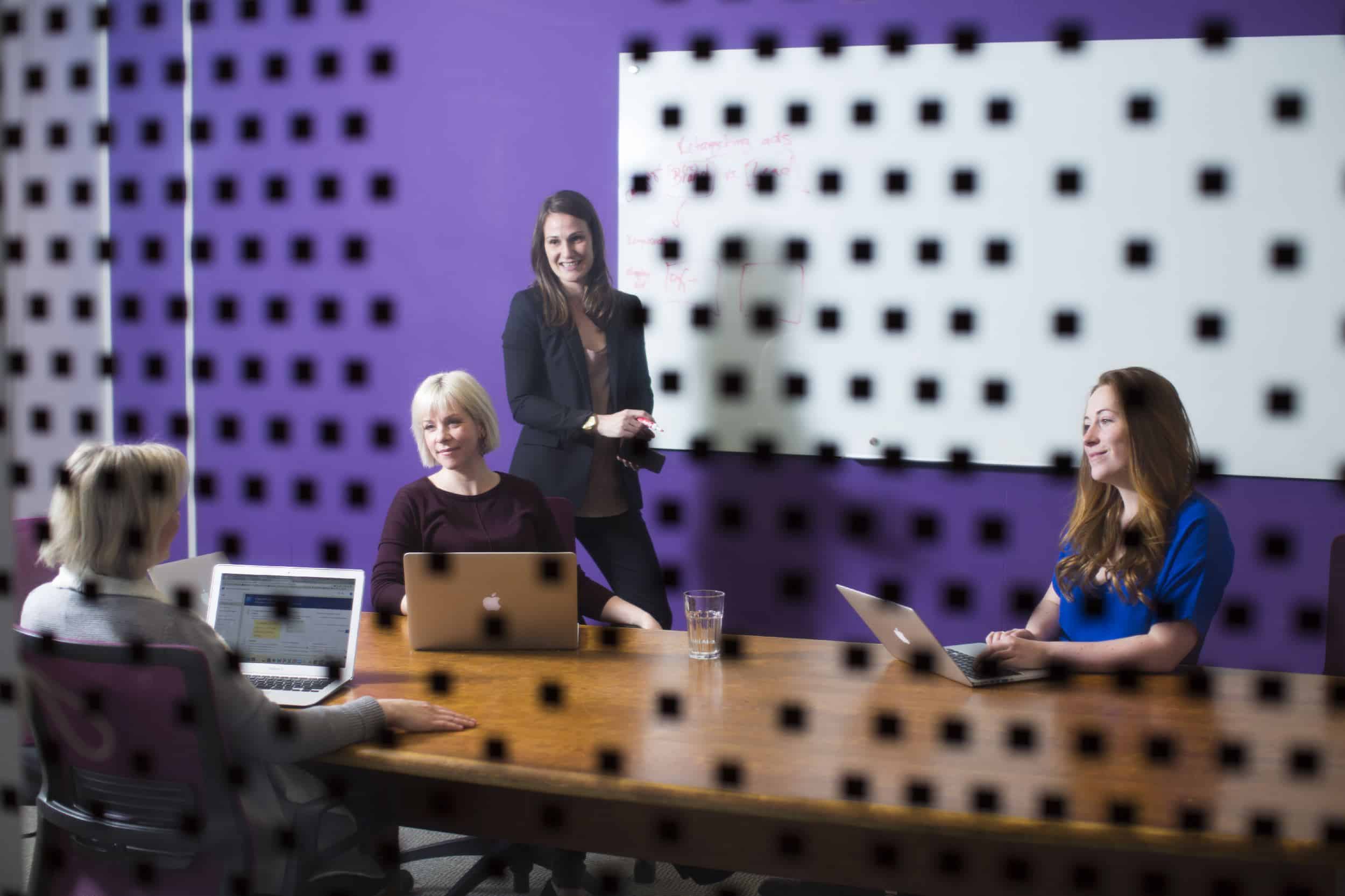
It is shaped by the planning that happens before the camera comes out.
For many organizations, photography is commissioned around an immediate need: a website refresh, a campaign launch, an annual report, a recruitment initiative, a funding announcement, or a new story that needs to be shared.
Those needs are real. But when a commercial shoot is planned only around the most urgent deliverable, it can miss a larger opportunity.
With the right planning, a shoot can create more than a few strong images for one use. It can create a flexible image library that continues to support the organization across campaigns, websites, reports, presentations, social media, internal communications, and future stories that have not yet been written.

The shoot day is only one part of the assignment
By the time a commercial shoot begins, many of the most important decisions have already been made.
What needs to be communicated?
Where will the images be used?
Who is the audience?
What does the organization need now, and what will it likely need six months or a year from now?
These questions matter because a useful commercial shoot is rarely about one photograph. It is about creating a set of images that can work together across different contexts.
A marketing team may need a hero image for a landing page, a vertical crop for social media, a wider image for a presentation, supporting details for a report, portraits for leadership communication, and quieter images that help carry the visual rhythm of a campaign.
If those needs are considered early, the shoot can be planned with more purpose.
Start with where the images need to work
One of the most useful questions before a commercial shoot is simple:
Where do these images need to work?
The answer may include a website, campaign materials, annual reports, grant applications, recruitment pages, social media, email newsletters, media releases, print pieces, board presentations, internal communications, or future brand updates.
Each of those uses may require something slightly different.
A website may need clean horizontal images with room for text. Social media may need vertical compositions and tighter human moments. A report may need a mix of people, place, process, and detail. A campaign may need more polished, public-facing imagery. Internal communications may benefit from images that feel grounded, familiar, and real.
Planning around those uses does not make the photography rigid. It makes it more useful.

Think beyond the hero image
Hero images are important. They often create the first impression of a campaign, website, or story.
But they are only one part of a useful image library.
The supporting images often become just as valuable over time: people in context, details, environments, working moments, quiet transitions, architectural elements, atmosphere, and photographs that give designers and communications teams room to work.
These images may not always be the most obvious photographs from the day. But they often become the ones that solve future problems.
They give the organization options.
They help a brand communicate with more range. They allow the same shoot to support different stories without everything feeling repetitive. They make it easier to return to the image library months later and still find something useful.
Build for different formats
A commercial image library should not only be visually strong. It should also be practical.
That means thinking about format.
Horizontal images. Vertical images. Wider establishing images. Tighter human moments. Images with negative space. Images that can hold text. Images that work as banners. Images that work as social crops. Images that can sit quietly inside a report or presentation without overwhelming the page.
These practical considerations are easy to overlook, but they can make a significant difference in how useful the final photography becomes.
An image that works beautifully on a full-width website banner may not work as a vertical social post. A tightly cropped portrait may not work beside a block of copy. A strong documentary moment may need a quieter supporting frame to help complete the story.
Good planning allows for that range.

Consider the full visual system
Commercial photography works best when it is considered as part of a larger visual system.
That system may include leadership portraits, team imagery, place-based photographs, working environments, client or community interactions, architectural details, process images, event coverage, and campaign-specific visuals.
The goal is not to photograph everything.
The goal is to create a coherent set of images that gives the organization enough range to communicate clearly and consistently.
When this is done well, the images do not all look the same, but they feel connected. A leadership portrait, an environmental image, a detail photograph, and a public-facing campaign image can all support different needs while still belonging to the same brand.
That cohesion matters.
It helps an organization feel more established. It gives marketing and communications teams stronger material to work with. It reduces the need to rely on outdated images, stock photography, or visuals that almost work but do not quite fit.
Plan for the next twelve to eighteen months
A useful commercial shoot should consider more than the next deadline.
Before the shoot is planned, it is worth asking:
What visual needs are likely to come up over the next twelve to eighteen months?
Will there be a campaign? A report? A recruitment push? A new website section? A funding announcement? A leadership update? A public engagement process? A seasonal story? A future presentation to stakeholders?
Not every future need can be known in advance. But many can be anticipated.
When those possibilities are considered early, the shoot can be planned to create images with a longer useful life. The organization can come away with photography that solves the immediate need while also supporting future communication.
That is where the value of a well-planned commercial shoot begins to compound.
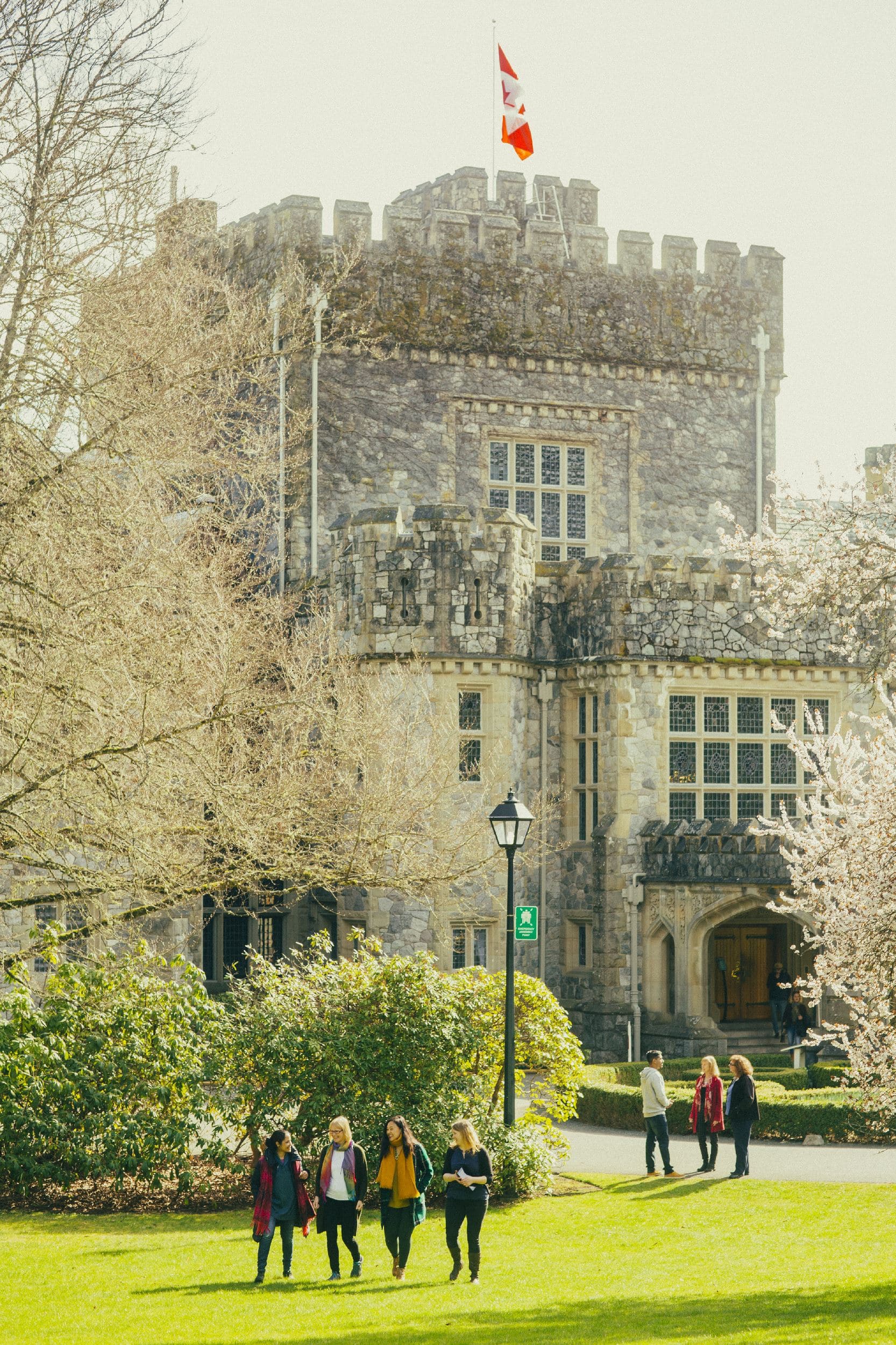
Good planning creates more natural images
There is sometimes a misconception that planning makes photography feel stiff or overly controlled.
In practice, the opposite is often true.
When the purpose of the shoot is clear, there is more room to work naturally. The photographer, client, agency, and communications team understand what needs to be created, but there is still space to respond to real moments as they happen.
Planning provides direction. It does not need to remove spontaneity.
It allows the shoot to move with more confidence. It helps the team recognize what matters. It creates room for both the planned images and the unexpected moments that often give the final library its depth.
The result is photography that feels considered without feeling artificial.
Commercial photography that keeps working
The strongest commercial shoots are not only useful on delivery day.
They keep working.
They support the campaign that prompted the shoot. They strengthen the website. They give the annual report more life. They help social media feel more consistent. They provide options for future announcements, presentations, recruitment, and stories that were not fully planned when the shoot was first commissioned.
That kind of value does not happen by accident.
It comes from thinking beyond the immediate request and planning the shoot as part of a larger visual library.
For agencies, marketing directors, communications teams, nonprofits, institutions, tourism brands, and public-sector organizations, this kind of planning can make commercial photography more useful, more flexible, and more valuable over time.
Because the goal is not simply to create strong images.
The goal is to create images that continue to work long after shoot day.
If your organization is planning a campaign, website refresh, annual report, recruitment initiative, or larger visual update, it may be worth thinking about the image library behind it before the shoot is booked.