
Multi-location organizations have a specific visual challenge.
Each location has its own people, spaces, light, rhythm, community, and character.
But the larger brand still needs to feel cohesive.
That balance is not always easy to achieve. If every location is photographed too differently, the final image library can feel disconnected. If every location is photographed too similarly, the work can feel flat, generic, or overly controlled.
The strongest approach is usually somewhere in the middle.
Consistency without sameness.
For organizations with multiple communities, properties, campuses, departments, service areas, or public-facing spaces, commercial photography has to do more than document what each location looks like. It has to create a connected visual language while still allowing each place to feel specific, human, and real.
 The challenge is consistency without sameness
When a brand operates across multiple locations, consistency matters.
The images need to feel like they belong to the same organization. They should share a similar level of polish, tone, composition, and usefulness. A viewer should be able to move from one location to another and still feel that the brand is visually connected.
But consistency does not mean making every place look identical.
Each location may have its own architecture, light, landscape, staff, residents, clients, customers, activities, or daily rhythm. Those differences are part of what make the final image library useful.
The goal is not to erase the character of each location.
The goal is to photograph each place in a way that feels true to the location while still supporting the larger brand.
That requires planning.
Each location has its own story
A multi-location shoot is not only a matter of repeating the same shot list in different places.
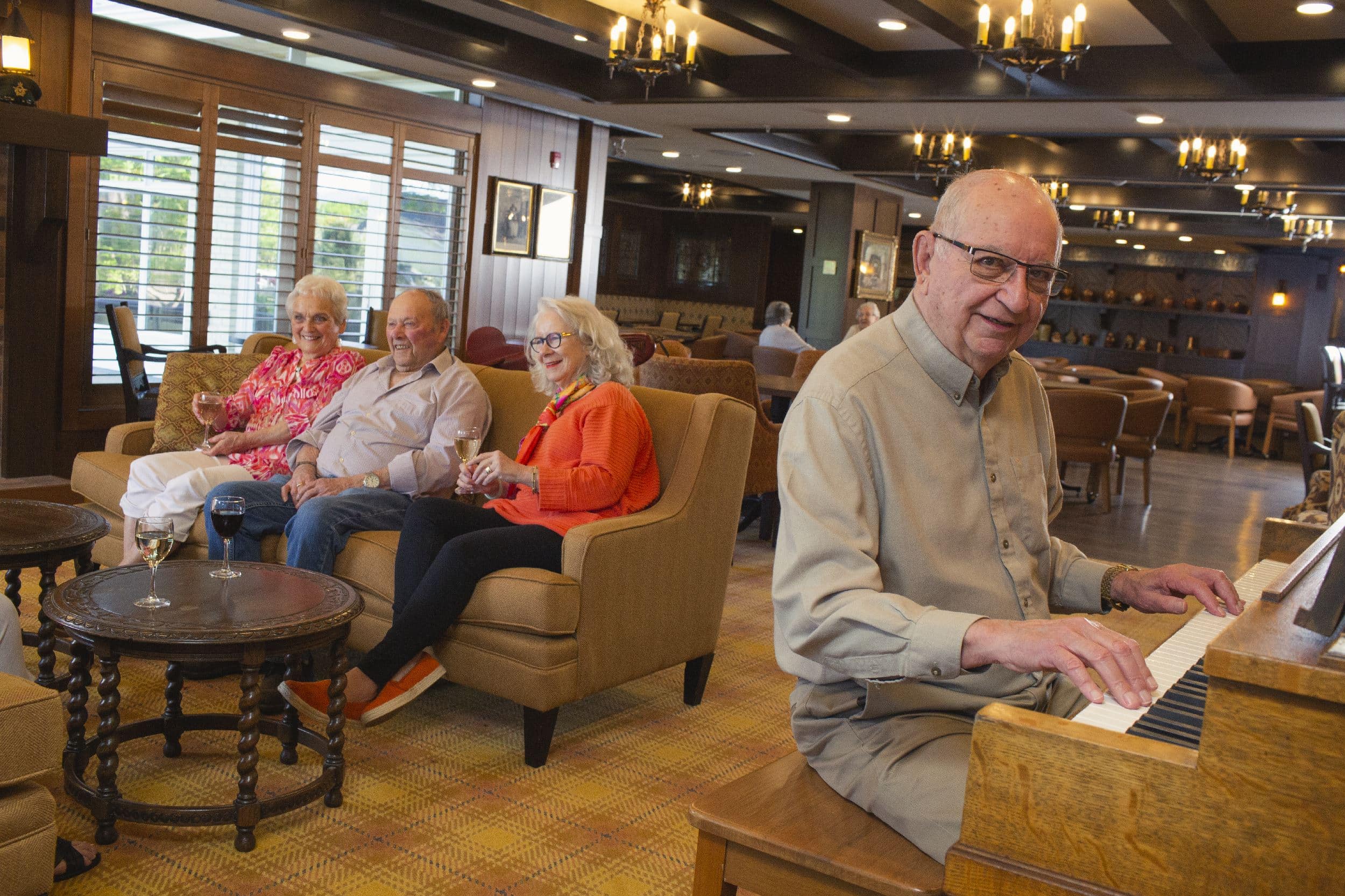
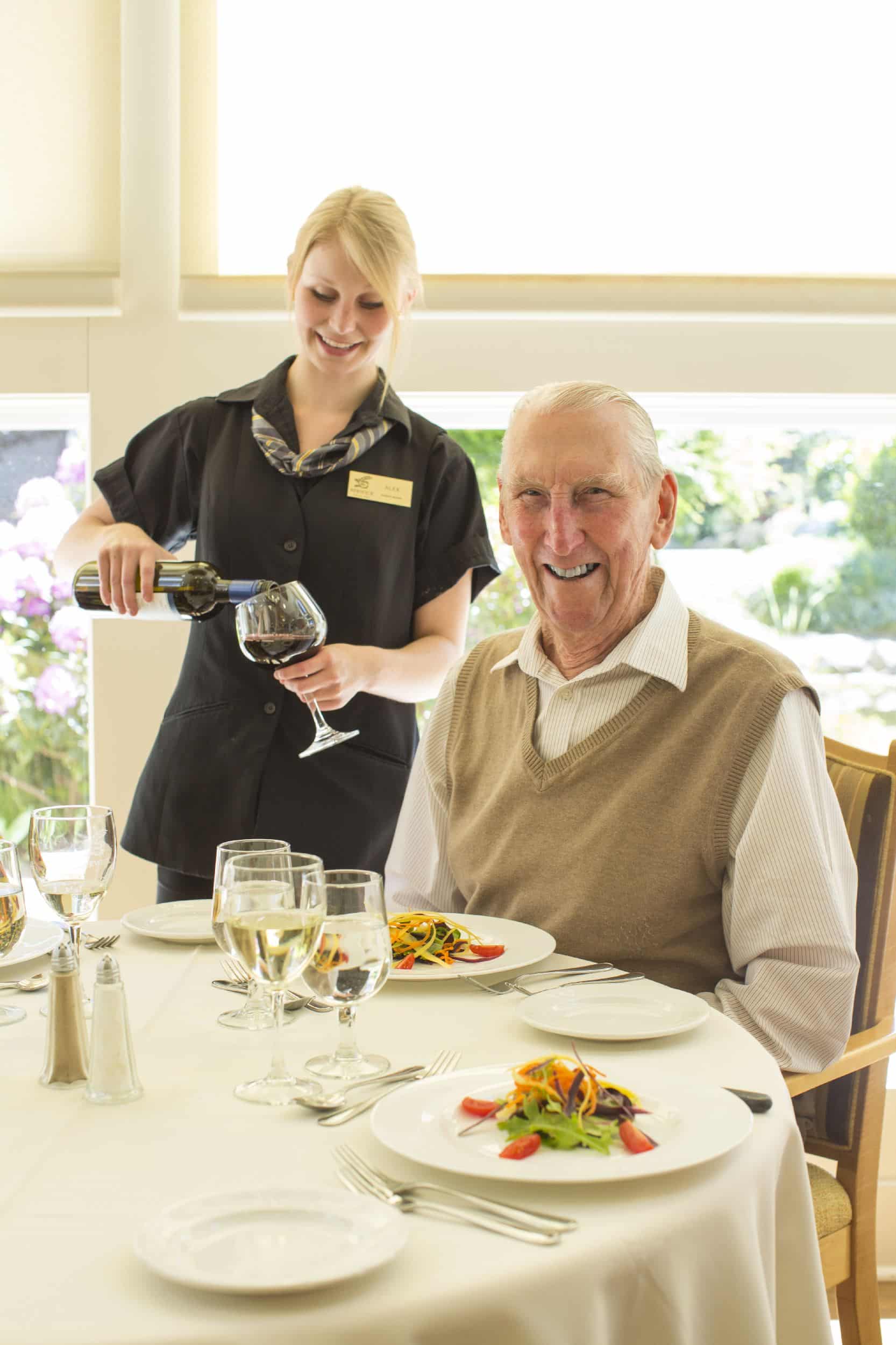
There may be common needs across the whole assignment: exterior images, interiors, people in context, staff or leadership, details, atmosphere, activity, and images that can support future campaigns or communications.
But each location will also have something specific to offer.
One site may have stronger natural light. Another may have a more active community space. Another may have a distinctive exterior, dining area, garden, view, lobby, workspace, or gathering place. One location may be best suited for people-focused imagery. Another may be stronger for atmosphere, architecture, or detail.
Good planning allows the shoot to honour those differences while still building a cohesive visual library.
The work should not feel like a template.
It should feel like one brand expressed through multiple places.
 Campaign-ready imagery needs range
A strong multi-location image library has to work across more than one use.
It may need to support a website, recruitment campaign, annual report, social media, email newsletter, print piece, stakeholder presentation, funding announcement, internal communication, or future brand update.
That means the final photography needs range.
Hero images matter. But so do the supporting images.
People and place.
Interiors and exteriors.
Activity and atmosphere.
Details and texture.
Leadership and team imagery.
Wide establishing images.
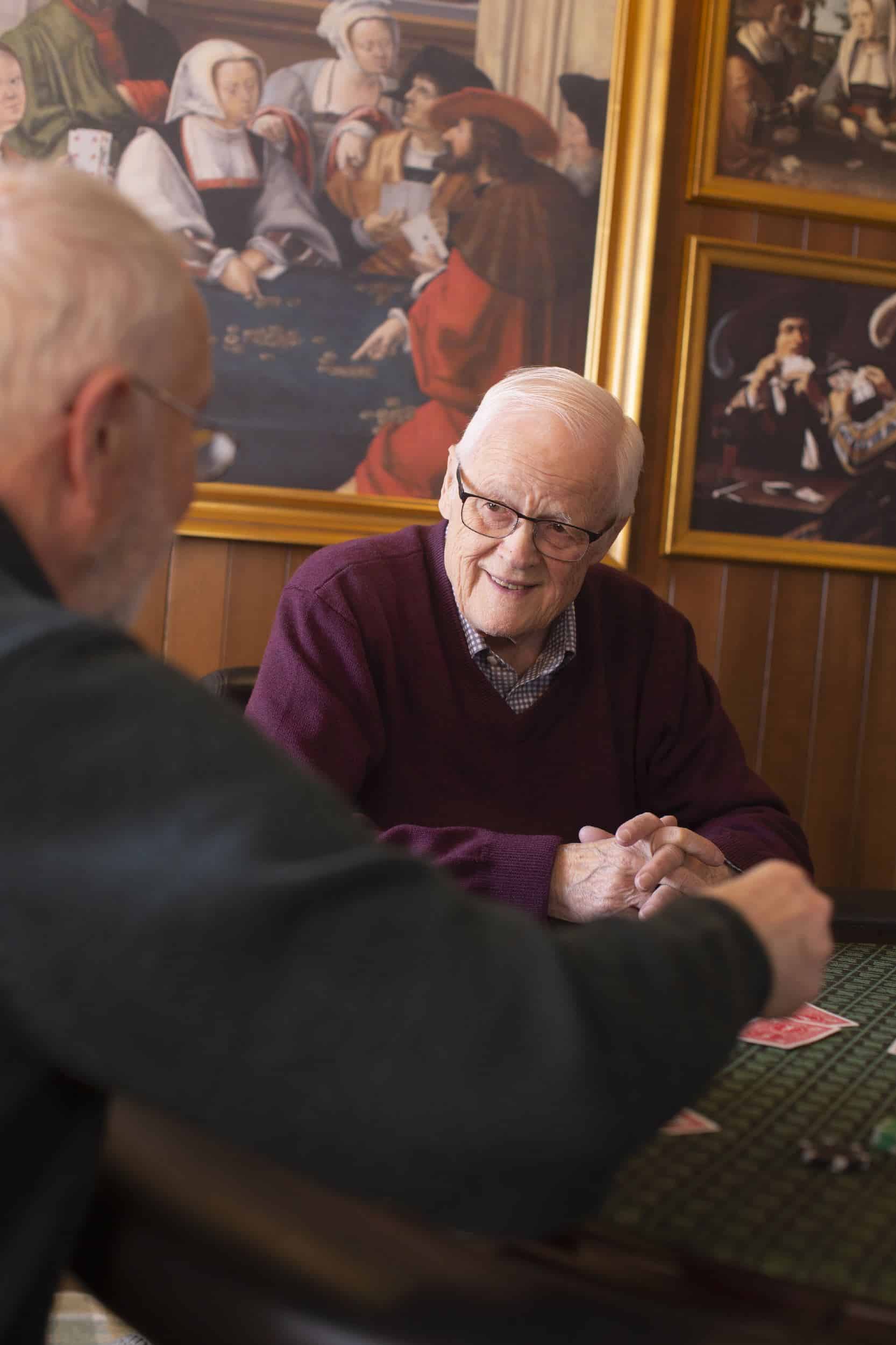
Tighter human moments.
Vertical and horizontal frames.
Images with room for design and copy.
These images do different jobs.
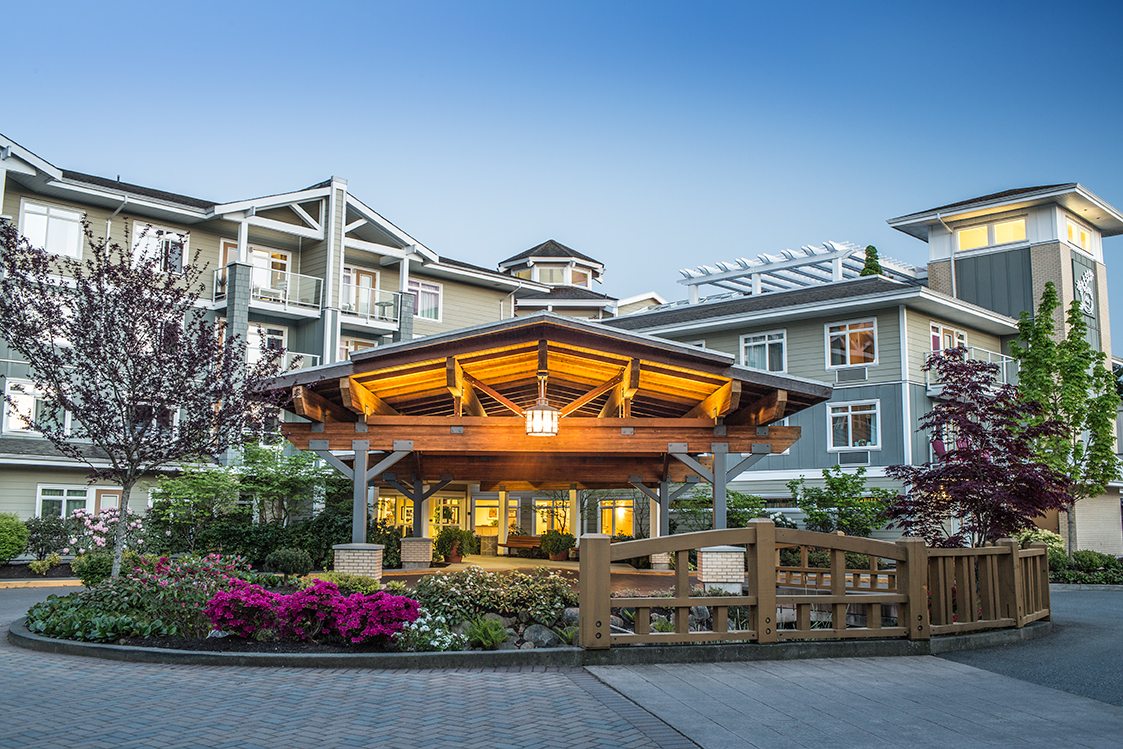
A wide exterior may establish place. A human moment may create warmth and trust. A detail image may support the rhythm of a website or report. A vertical frame may work for social media. A quieter image with negative space may be useful for a campaign headline or presentation slide.
When all of these images are considered together, the final delivery becomes more than a gallery.
It becomes a working visual library.
Planning makes the library more useful
The strongest multi-location commercial shoots are shaped before the first image is made.
Planning helps clarify what the images need to do, where they may be used, what each location can offer, and what the larger brand needs to communicate.
That planning might include questions such as:
What does each location need to show?
What should feel consistent across the full image library?
Where should each location be allowed to feel different?
Which images are needed for the website?
Which images are needed for campaigns, reports, recruitment, or future communications?
Are there vertical and horizontal options?
Are there images with room for text?
Are there enough people-focused images, environmental images, and supporting details?
These questions do not make the shoot feel rigid. They make the final images more useful.
They also help the shoot move with more confidence once on location, because the purpose of the work is clear.

The value is in the full image library
For marketing and communications teams, the value of a multi-location shoot is not only in the strongest individual images.
It is in how the images work together.
A campaign may lead with one image, but the larger library supports everything around it. The website needs variety. Reports need visual pacing. Social media needs ongoing options. Recruitment needs people and culture. Presentations need clean images that can carry information. Future announcements may need photography that was not part of the original request.
When the library has been planned properly, the organization does not have to keep searching for something that almost works.
It already has images that feel current, cohesive, and useful.
That is especially important for organizations with more than one location. The photography needs to create trust in the larger brand while still showing the real character of each place.
The best image libraries do both.
Allowing each place to feel real
One of the risks in multi-location photography is making the work too uniform.
When every space is photographed in the same way, the final library can lose the feeling of real life. The images may be consistent, but they may not feel alive.
People notice that.
The better approach is to create a visual framework that allows for variation.
The level of polish can stay consistent. The sense of care can stay consistent. The brand tone can stay consistent. But the moments, spaces, details, light, and human energy can shift from location to location.
That is where the library becomes more believable.
It shows the brand clearly, but it also lets the viewer feel that these are real places with real people and specific experiences.
 Commercial photography for long-term brand use
A multi-location shoot should not only solve the immediate need.
It should create images that can keep working.
That might mean supporting a campaign today, a website update next month, a recruitment initiative later in the year, and a report or presentation long after the shoot has been delivered.
This is where planning creates long-term value.
The photography becomes part of the organization’s larger visual system. It helps the brand show up with more consistency across different platforms, audiences, and moments.
For organizations with multiple locations, that kind of consistency can be especially valuable.
It helps the brand feel unified without making every location feel the same.
It gives marketing and communications teams a stronger library to draw from.
And it allows each place to be seen clearly, naturally, and with purpose.
That is the value of building campaign-ready visuals across multiple locations.
If your organization works across multiple communities, properties, departments, campuses, or service areas, it may be worth thinking about the image library behind your next campaign, website refresh, report, or larger visual update.