
The way your people are photographed shapes how your organization is understood.
Before someone reads a leadership bio, explores a service page, reviews a proposal, or learns much about the organization itself, they are already forming an impression.
Do the people feel approachable?
Do they feel confident?
Does the organization feel current?
Do the images feel consistent with the rest of the brand?
Leadership and team photography is not simply about identifying who works somewhere.
It is part of the organization’s visual identity.
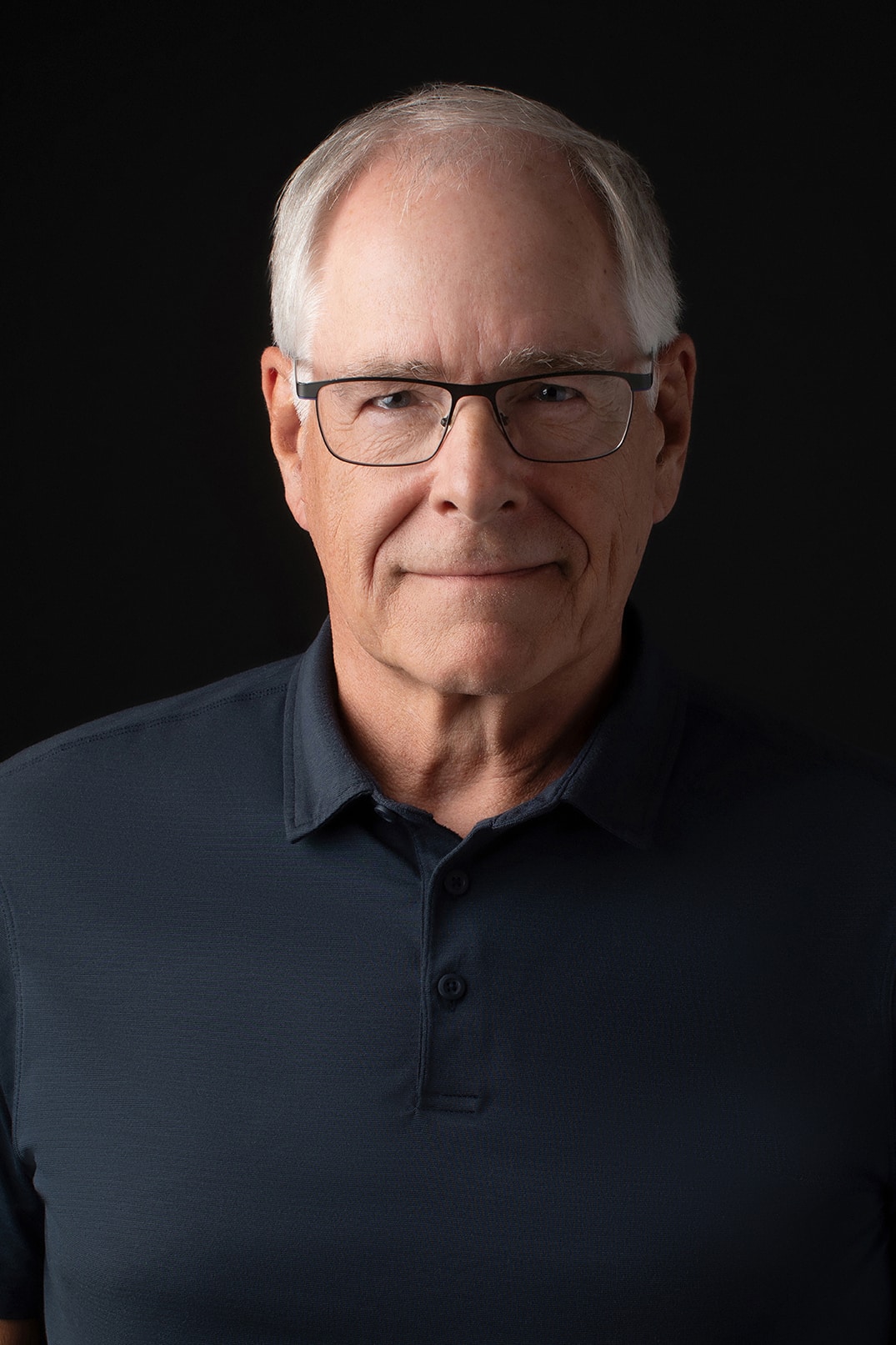
Your people are part of your visual identity
Organizations spend a great deal of time thinking about visual identity.
Logos. Colour. Typography. Websites. Campaigns. Reports. Presentation materials.
But for many organizations, the people representing the brand are one of the most visible parts of that identity.
Leadership pages, staff profiles, LinkedIn, proposals, speaker biographies, media requests, recruitment materials, annual reports, and public-facing communications all place people at the centre of the organization.
The photography used in those places communicates something immediately.
It can make the organization feel established or improvised.
Approachable or distant.
Contemporary or dated.
Cohesive or fragmented.
Professional photography does not need to make everyone look identical.
But it should help the organization feel intentional.
Trust begins before the bio is read
A portrait carries information before the viewer consciously begins interpreting it.
Expression, posture, environment, lighting, wardrobe, composition, and even the amount of space around the subject all contribute to how the person is perceived.
For leadership and professional teams, that perception matters.
Authority without approachability can feel distant.
Approachability without confidence can feel uncertain.
The strongest portraits often sit somewhere in between.
They communicate competence while still allowing the person to feel human.
This is particularly important for organizations built around trust: professional services firms, nonprofits, institutions, healthcare organizations, consultants, financial firms, architecture and design practices, public-sector organizations, and leadership teams.
The people often are the brand experience.
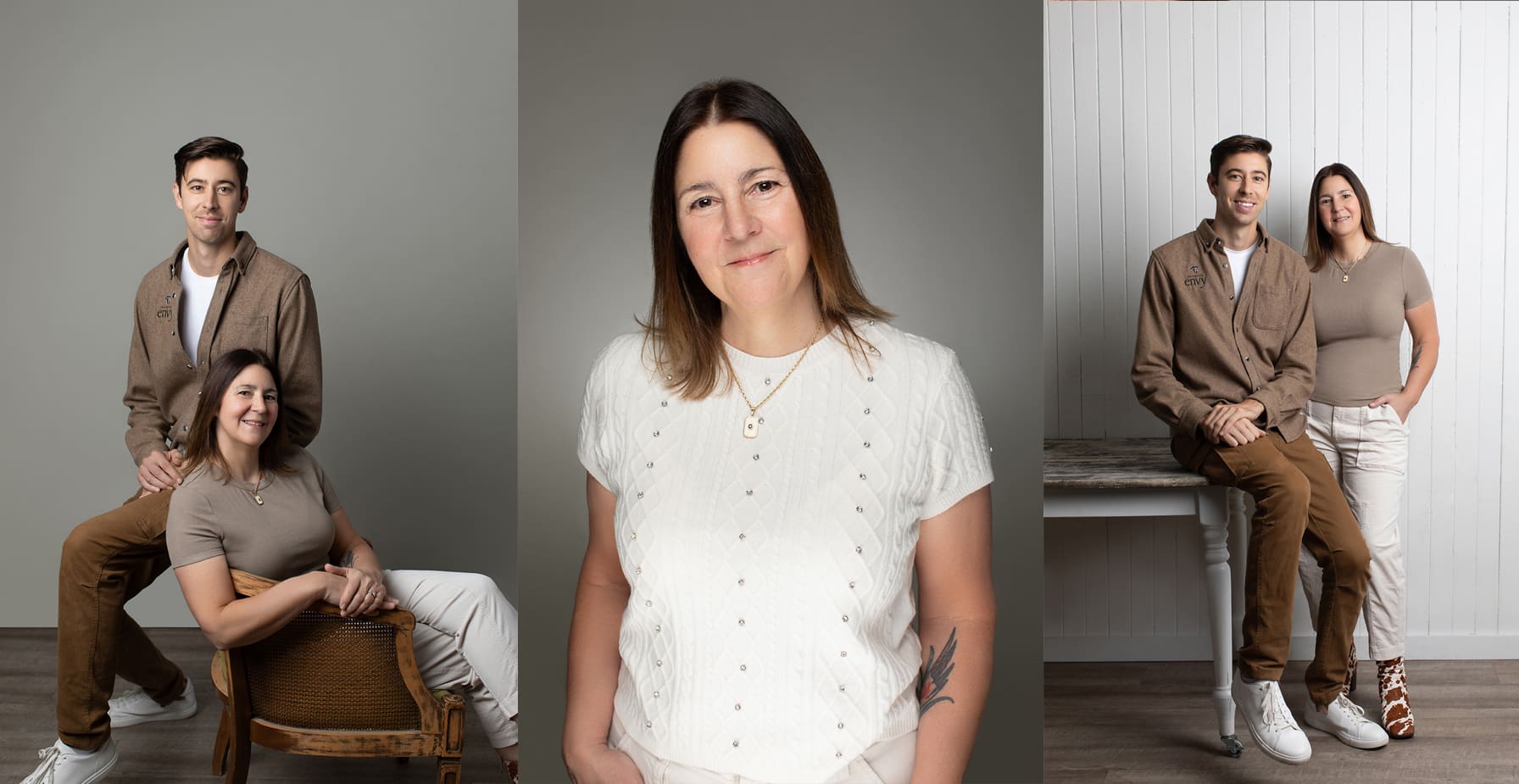
Consistency does not mean everyone has to look the same
One of the most common challenges with team photography is finding the right level of consistency.
The images need to feel connected.
But they should not feel mechanical.
Using a consistent background, lighting approach, composition, colour treatment, or environmental style can create visual cohesion across a team.
Within that structure, each person can still feel individual.
Expression can vary.
Body language can vary.
Wardrobe can reflect the person and role.
The images can feel relaxed, formal, editorial, environmental, or studio-based depending on what best suits the organization.
The goal is not sameness.
The goal is a visual language that feels intentional.
When someone moves through a leadership or team page, the portraits should feel like they belong together even when the people themselves are very different.
The setting communicates too
Where a person is photographed can be just as important as how they are photographed.
A simple studio background can create clarity, consistency, and longevity.
An environmental portrait can place the person inside the work, culture, or setting of the organization.
Neither approach is automatically better.
The right choice depends on what the images need to communicate and how they will be used.
For some organizations, a clean studio portrait creates the strongest sense of continuity, especially when new team members may need to be photographed later.
For others, the environment is part of the story.
An architect in a designed space. A founder inside the business they built. A leader within a public-facing organization. A professional photographed somewhere that gives the viewer a little more context about who they are and what they do.
The setting should support the person rather than compete with them.

Approachable does not mean casual
Professional photography has traditionally carried a certain visual vocabulary.
Formal posture. Neutral expressions. Conservative framing. Predictable backgrounds.
There are situations where that level of formality is still appropriate.
But many organizations want something different now.
They want their people to feel approachable, open, contemporary, and human while still communicating credibility.
That does not mean abandoning professionalism.
It means being more thoughtful about what professionalism actually looks like for the organization.
A relaxed expression can still carry authority.
Natural posture can still feel polished.
A portrait can feel warm without becoming casual.
The best approach reflects the culture of the organization rather than relying on a generic idea of what a professional portrait should look like.
Portraits need to work beyond the team page
A leadership or team portrait rarely has only one use.
The same image may appear on a website, LinkedIn profile, annual report, speaker biography, media release, proposal, presentation, recruitment page, internal communication, or campaign.
That means the photography should be planned with flexibility in mind.
Some images may need room for copy.
Some may need to work as a tight crop.
Others may need horizontal and vertical versions.
Some people may need a straightforward portrait for a biography while also benefiting from a more environmental or expressive image for broader brand use.
Thinking about those needs before the shoot creates a stronger final library.
It also connects leadership photography to the larger visual system of the organization.

Planning for people who have not joined yet
Team photography has another challenge that is easy to overlook.
Teams change.
Someone joins six months later.
A new partner arrives.
A leadership role changes.
An organization grows.
If the original photography was created without thinking about continuity, adding one new portrait later can become surprisingly difficult.
The background may no longer be available.
The lighting may be hard to reproduce.
The location may have changed.
The crop or colour treatment may no longer match.
The result can be a team page where each portrait is individually strong but the overall presentation feels inconsistent.
A repeatable visual approach helps solve that problem.
This may mean using a simple studio setup that can be recreated later, documenting the lighting and composition carefully, or choosing an environmental approach with enough flexibility to accommodate future team members.
The goal is to build continuity into the photography from the beginning.
Strong team photography creates a larger sense of cohesion
The value of leadership and team photography is not limited to the portraits themselves.
When the people imagery feels consistent with the organization’s wider visual identity, the entire brand begins to feel more connected.
The website feels more considered.
Proposals feel stronger.
Recruitment materials feel more credible.
Annual reports feel more human.
LinkedIn profiles reinforce the organization rather than feeling disconnected from it.
And when leadership changes or new people arrive, the visual language can continue rather than starting again.
This is where portrait photography becomes part of a broader communications strategy.
It is not simply about making people look good.
It is about making the organization feel coherent, current, and trustworthy.
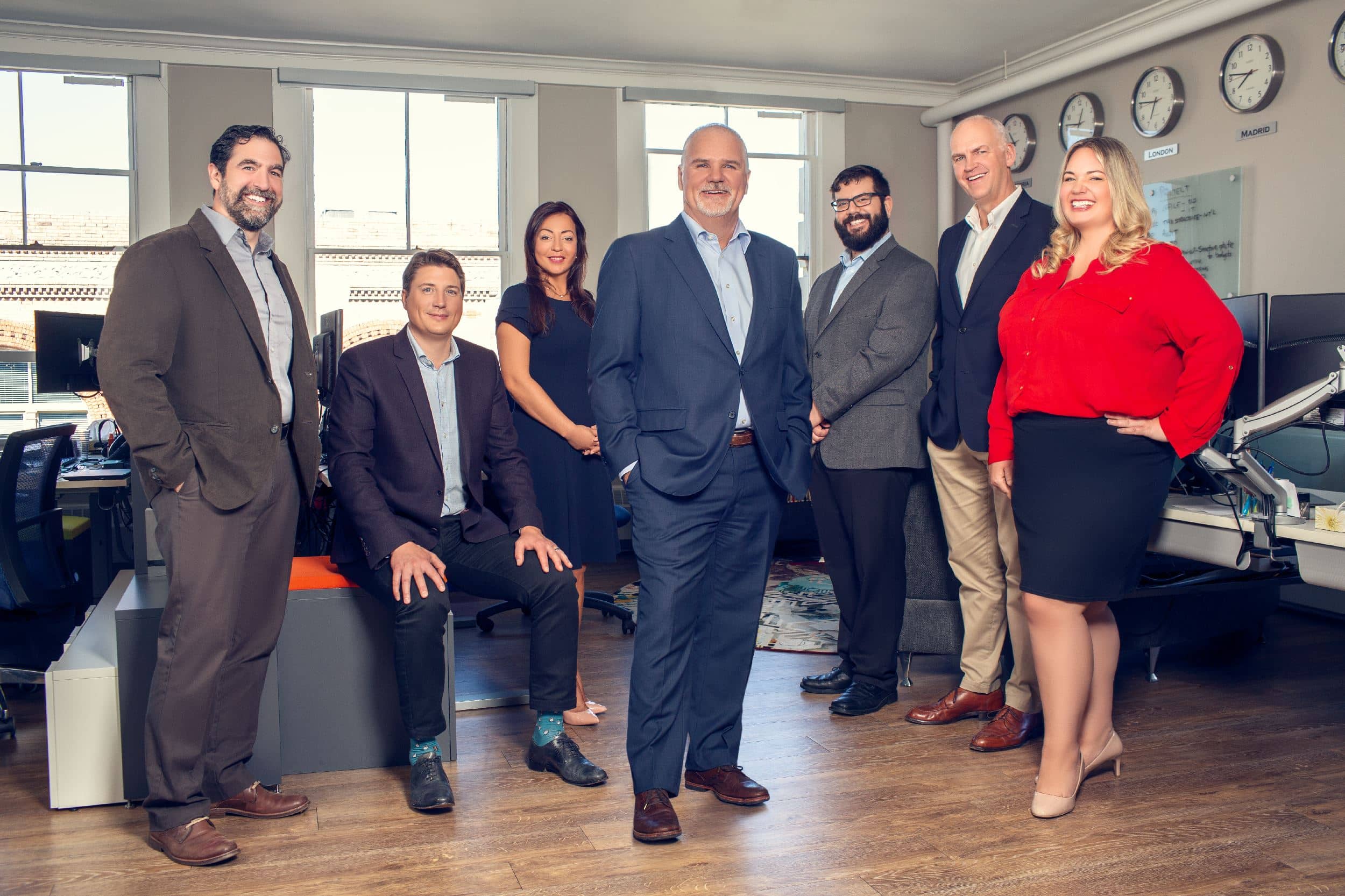
The people behind the brand
Every organization has a visual identity.
The people are part of it.
The way leadership and teams are photographed influences how the organization is perceived before much of the written communication has been read.
Strong portraits can communicate confidence, approachability, professionalism, personality, and trust.
When those portraits are planned as part of a larger visual system, they can also create consistency across websites, reports, proposals, recruitment, media, LinkedIn, and future communications.
The goal is not to make everyone look the same.
It is to show the people behind the organization with the same level of thought and care given to the rest of the brand.
If your organization is updating its leadership or team imagery, website, recruitment materials, or broader visual identity, it may be worth thinking about how the people behind the brand are being seen.