
A strong visual identity should not need to be reinvented every time new photography is commissioned.
Organizations change.
Teams grow. People leave. Leadership changes. New services are introduced. New locations open. Websites are rebuilt. Campaigns come and go.
The photography needs to change too.
But changing does not have to mean starting over.
One of the most useful things commercial photography can create for an organization is not simply a collection of strong images, but a visual language that can continue evolving over time.
Broadmead Hearing is a good example.
I have photographed the clinic at different points over a number of years. The people have changed. The work being documented has expanded. New portraits have been needed. Different parts of the clinic experience have become important to show.
The goal has never been to reproduce exactly the same photographs.
It has been to create enough continuity that new imagery still feels connected to what came before.

A visual system is different from a single shoot
A single photography assignment can solve an immediate problem.
A new website needs portraits. A campaign needs hero imagery. A team page needs updating. A service needs to be explained. A new location needs to be photographed.
Those are individual needs.
An image system looks at how those needs connect.
It asks what should remain recognizable from one assignment to the next, even when the subject matter changes.
That might include the way people are photographed. The degree of polish. The relationship between candid and directed imagery. The use of space. The treatment of colour. The balance between people, environment, process, and detail.
Not every image needs to look alike.
In fact, it probably should not.
But the images should feel like they belong to the same organization.
The earliest images establish more than a look
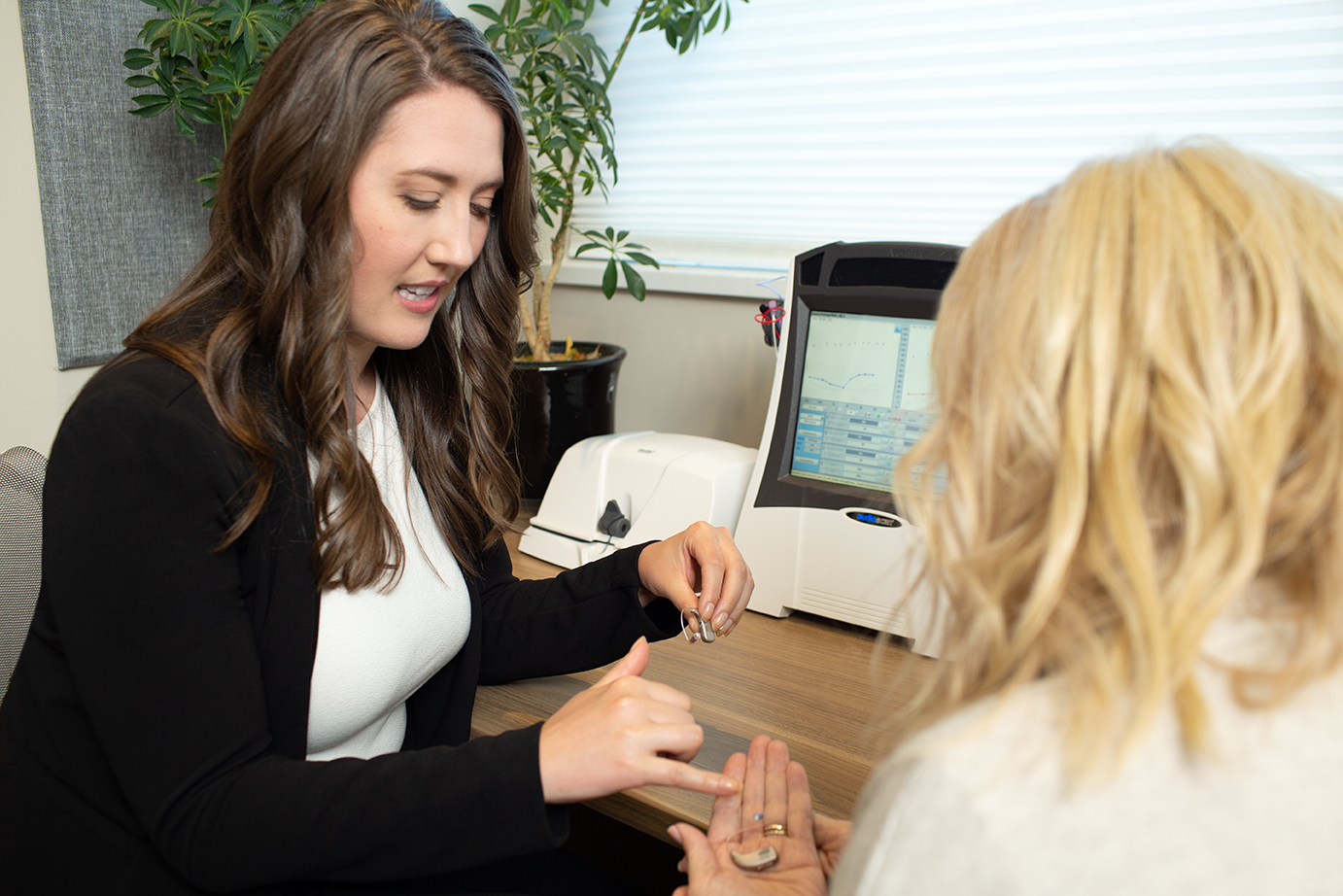
Some of my earlier work with Broadmead Hearing focused on the experience inside the clinic.
Rather than simply photographing a space or creating a collection of portraits, the imagery showed people interacting: conversation, consultation, care, and the relationship between practitioner and client.
That established something more useful than a particular lighting setup or background.
It established a tone.
The photography could feel professional without becoming clinical. It could communicate expertise while still feeling personal. It could show the environment without allowing the environment to become the entire story.
Those decisions become part of the visual language.

The system expands instead of resetting
As an organization changes, its photography needs usually expand.
A few portraits may eventually become a larger team system.
Environmental imagery may need to be supplemented with service photography.
A website may need more detail images, more vertical options, or photographs that can support new pages and campaigns.
That does not mean the original visual language has failed.
It means the system is doing what it should do: growing with the organization.
Later photography for Broadmead Hearing included more detailed views of the hearing-care process — consultation, fitting, equipment, and the expertise involved in the work itself.
Those images tell a different part of the story, but they still belong to the same larger visual world.
People change. The visual identity does not have to start over.
One of the clearest tests of an image system is what happens when the people change.
Teams are not static.
New people join. Others move on. Roles change. Leadership evolves.
If each portrait assignment is treated as a completely separate event, the visual identity can gradually become fragmented.
One person has a dark background. Another has a light one. Someone was photographed outdoors. Someone else was photographed in an office. Crops change. Lighting changes. Colour changes.
Each photograph may be perfectly good on its own, but together they can make an organization feel less cohesive.
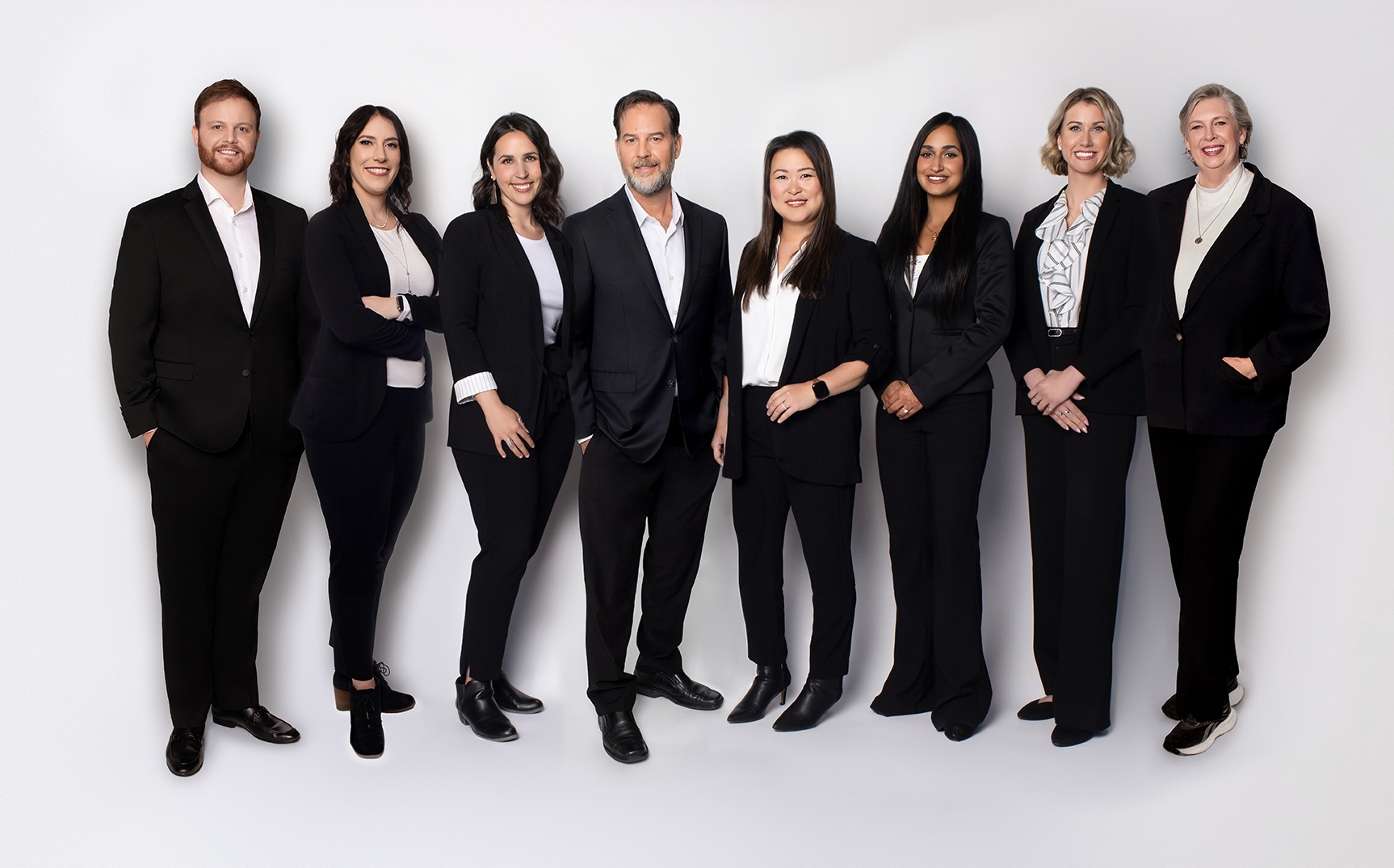
A repeatable portrait approach creates continuity.
For Broadmead Hearing, a clean portrait language provided a structure that could accommodate changing team members over time.
The point was never that everyone had to look identical.
The point was that a new person could be added later and still visibly belong to the same organization.
Consistency does not mean freezing the brand in time
There is an important distinction between continuity and repetition.
A visual system should not force an organization to keep recreating photographs that made sense five years ago simply because they once worked.
The organization should be allowed to evolve.
Photography should evolve with it.
What remains consistent is not necessarily the exact background, pose, location, or composition.
What remains consistent is the underlying visual thinking.
Is the photography clear?
Does it feel human?
Does it communicate expertise without feeling overly staged?
Does it show enough context to help people understand the organization?
Does the imagery work together across portraits, services, environments, details, and campaigns?
Those principles can remain intact even while the photographs themselves become more contemporary.
Showing the work adds another layer
As an image library develops, portraits alone are rarely enough.
People want to understand what an organization actually does.
This is where process photography becomes valuable.
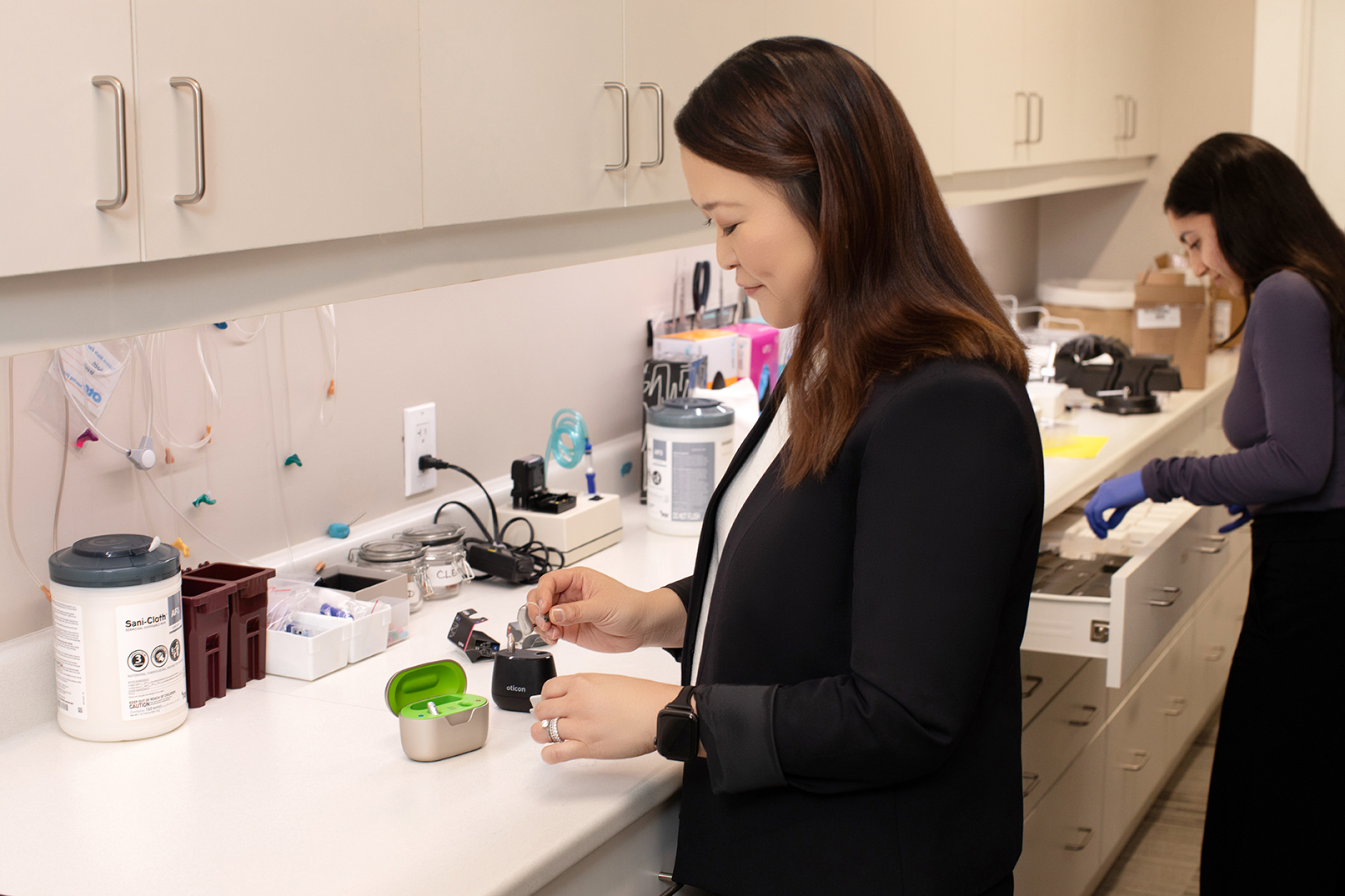
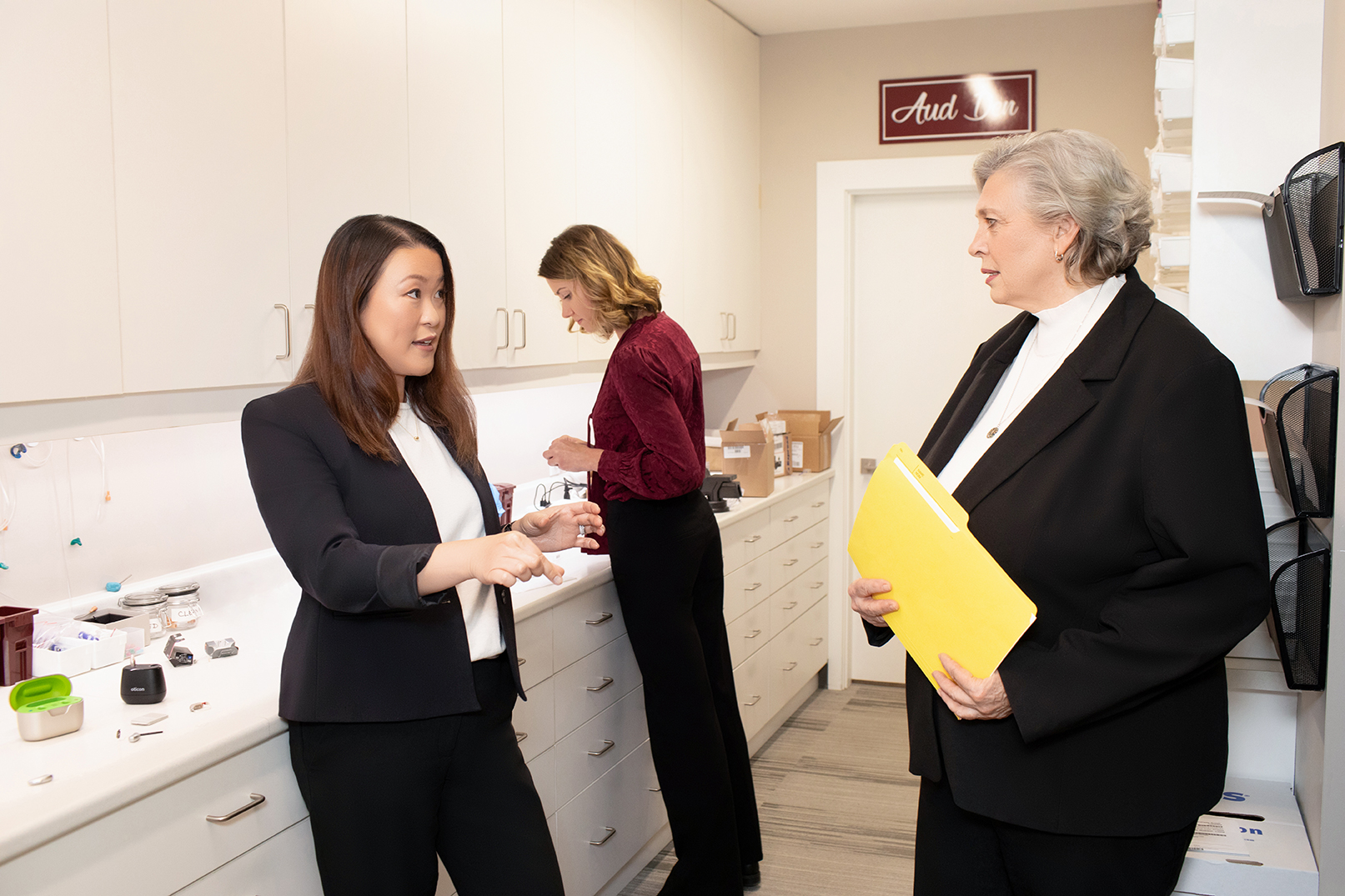
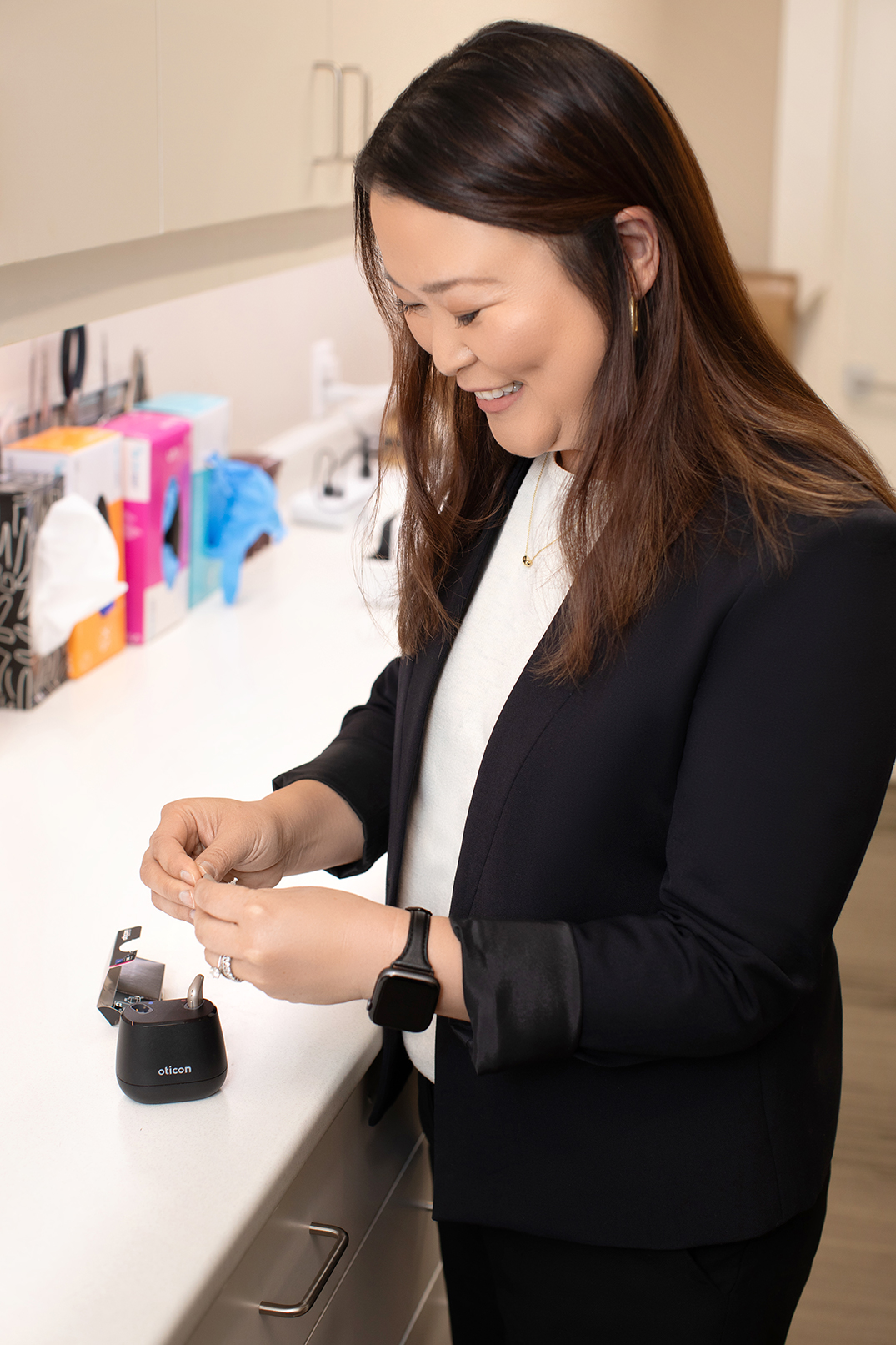
In more recent Broadmead Hearing work, the imagery moves closer to the technical side of hearing care: the devices, the bench work, the fine detail, and the expertise behind the service.
These photographs do a different job from a portrait.
They create evidence.
Rather than simply saying that expertise exists, they help the viewer see it.
They also give the organization a richer library to work from.
A portrait may lead a staff biography. A consultation image may support a service page. A detail photograph may work in a campaign, presentation, social post, or website transition. A process image may help explain what differentiates the organization.
Together, they become much more useful than any one category of photography on its own.
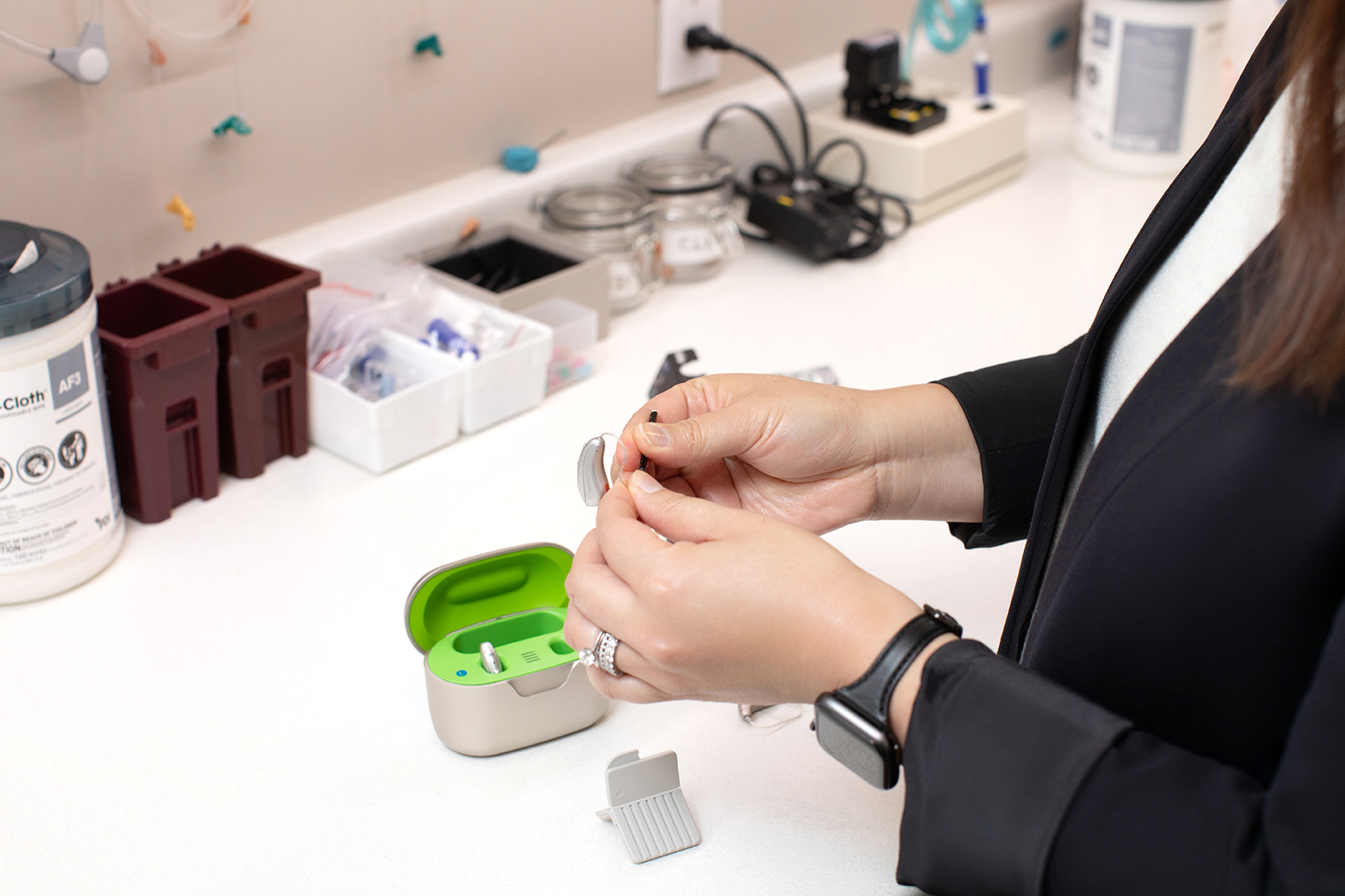
alt=”Process photography showing the technical expertise and detailed work behind hearing care.” />
New imagery should be able to join the system
The real value of a long-term visual system becomes apparent when another shoot is needed.
The question is no longer:
What should we make this time?
It becomes:
What does the organization need now, and how should that new work connect to what already exists?
That is a very different starting point.
It means the existing library becomes an asset rather than something that needs to be discarded.
New staff portraits can sit beside earlier portraits.
New process imagery can deepen the story.
A new location can have its own character without looking like it belongs to a completely different organization.
The library becomes cumulative.
Each assignment adds another layer.

Sometimes continuity means knowing when to refresh
Designing a system that lasts does not mean never starting fresh.
Eventually, an organization may reach a point where a team has changed significantly, a location has evolved, a website has been redesigned, or the existing imagery no longer represents where the brand is today.
At that point, continuity may mean carrying the right ideas forward rather than preserving every previous execution.
A new group photograph may replace an older one.
A portrait system may be refined.
New environments may need to be introduced.
The balance between people, process, place, and detail may change.
The important thing is that the organization does not have to rediscover its visual identity every time.
It already knows what matters.
What should stay consistent — and what should change?
A useful image system creates structure without becoming restrictive.
Some things are worth maintaining over time:
the level of photographic quality;
the tone of the imagery;
the way people are represented;
the balance between professionalism and approachability;
the treatment of colour;
the relationship between hero images and supporting photographs;
and the overall sense of the organization.
Other things should be allowed to change:
the people;
the locations;
the services;
the activities;
the campaigns;
the seasons;
and the stories the organization needs to tell.
That balance is what makes the system sustainable.
It creates consistency without making the photography repetitive.
Building an image library year after year
After several years, the value of this approach becomes increasingly clear.
The organization no longer has only a folder of photographs from one shoot.
It has a visual history.
There are portraits. Consultations. Environments. Details. Process. Team imagery. Service moments.
Some images will eventually become dated and be retired.
Others may remain useful for years.
New photography can be added without making the entire visual identity feel disconnected.
That is the difference between commissioning photography one assignment at a time and deliberately building an image system.
A visual language strong enough to evolve
The goal is not to make the same photographs year after year.
It is to create a visual language strong enough to keep evolving.
Organizations change.
Their photography should reflect that change.
But when the visual system has been considered carefully, every change does not require a complete reset.
New people can join.
New stories can be told.
New services can be shown.
New locations can be introduced.
And the organization can continue to feel recognizably itself.
That is what makes a long-term image library valuable.
It does not simply document where an organization has been.
It gives the organization a visual foundation for where it is going next.
If your organization is planning new photography, it may be worth looking beyond the immediate assignment and asking a larger question: what visual system are we building for the years ahead?