
A community is made up of individual stories.
That sounds obvious, but it becomes surprisingly easy to lose sight of when an organization needs photography across multiple programs, locations, services, and groups of people.
The larger the assignment becomes, the greater the temptation to simplify.
Photograph the activity. Photograph the group. Get a few people smiling at the camera. Move on to the next location.
The result may document what happened, but it does not necessarily communicate what it felt like to be there.
For organizations whose work is centred on people, that distinction matters.
Strong community photography needs to do two things at once: create a coherent picture of the organization while preserving the individuality of the people within it.
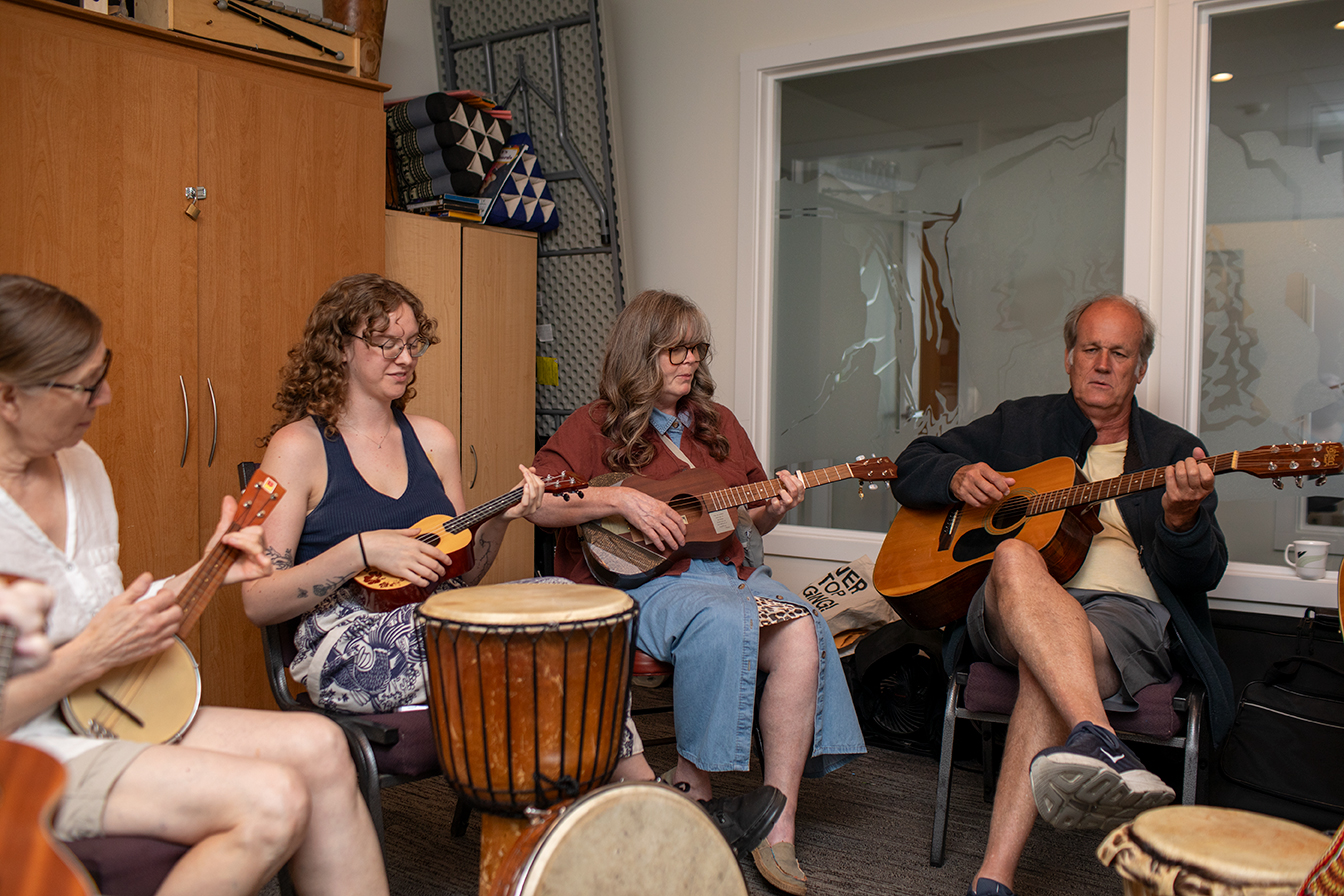
Scale can flatten the story
When an organization has many stories to tell, photography can easily become formulaic.
A program happens in one room, so we photograph the room.
A group meets, so we photograph the group.
A service involves a person, so we photograph that person doing the obvious thing.
Those photographs may all be useful.
But when every program is approached in exactly the same way, the people begin to feel interchangeable.
The photography starts describing categories rather than experiences.
Art therapy.
Yoga.
Education.
Support.
Recreation.
The category tells us what is happening.
The human moment tells us why it matters.
That is where the stronger photographs usually live.
Authenticity does not mean leaving everything to chance
There is sometimes an assumption that authentic photography has to be completely observational.
It does not.
Real-feeling images can still involve planning, direction, and careful decisions about where and how something is photographed.
The environment can be chosen.
The activity can be scheduled when the light is better.
People can be positioned so they can actually interact rather than simply face the camera.
A distracting room can be simplified. A conversation can be allowed to continue. An activity can be repeated if necessary.
The photographer is still making decisions.
The difference is that those decisions are being used to create the conditions for something believable to happen rather than forcing a predetermined expression or moment.
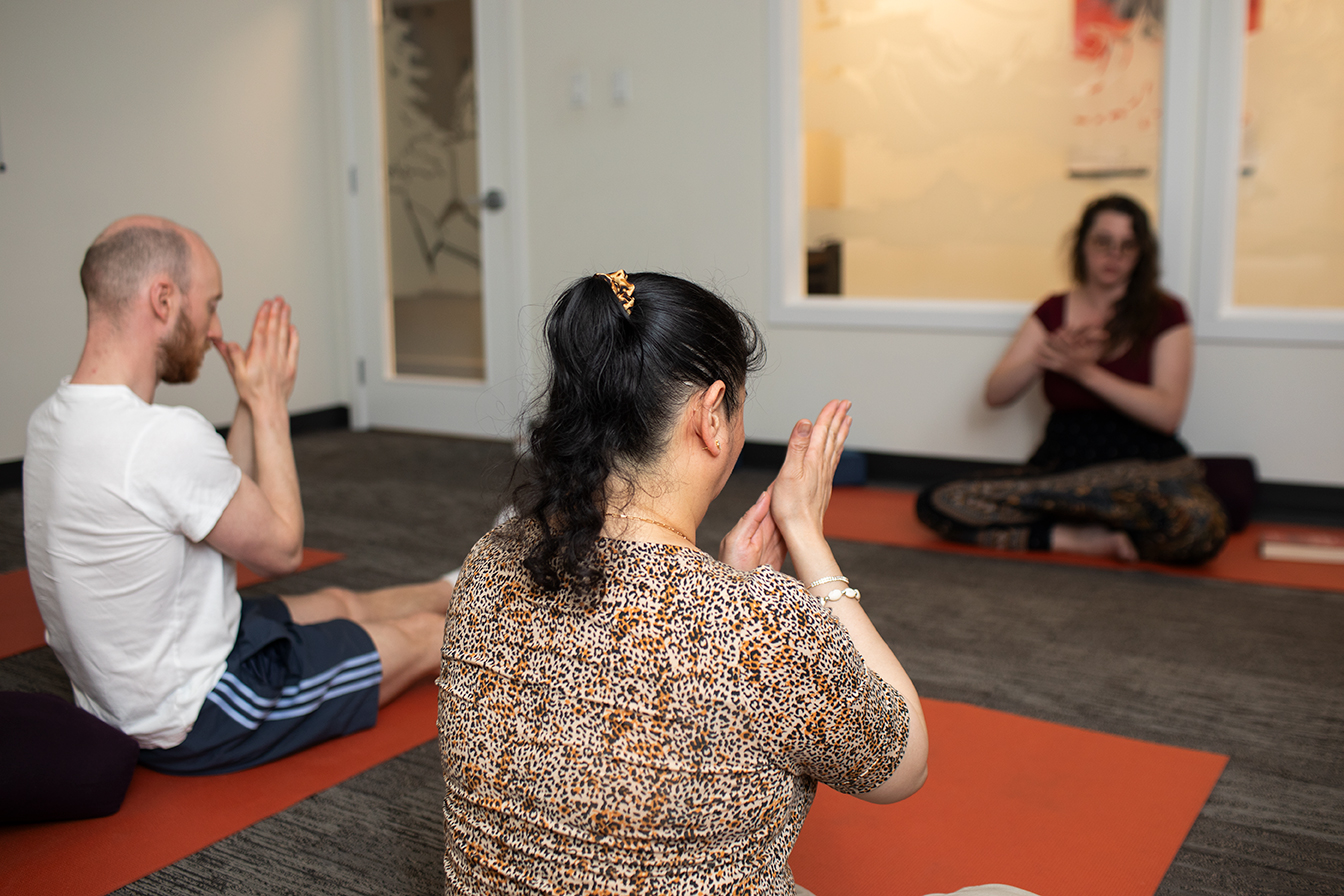
Photograph relationships, not just participants
One of the most useful shifts in photographing community-based organizations is to stop thinking only about individuals and begin looking for relationships.
Who is listening?
Who is helping?
Who is demonstrating something?
Who is laughing with someone else?
Who is watching, learning, concentrating, or responding?
A person standing alone can tell us who was there.
Two people genuinely interacting can tell us much more about the experience.
Relationships create context.
They show support, trust, collaboration, learning, connection, and belonging without requiring those ideas to be explained in a caption.
For organizations built around people, those moments can become some of the most valuable images in the library.
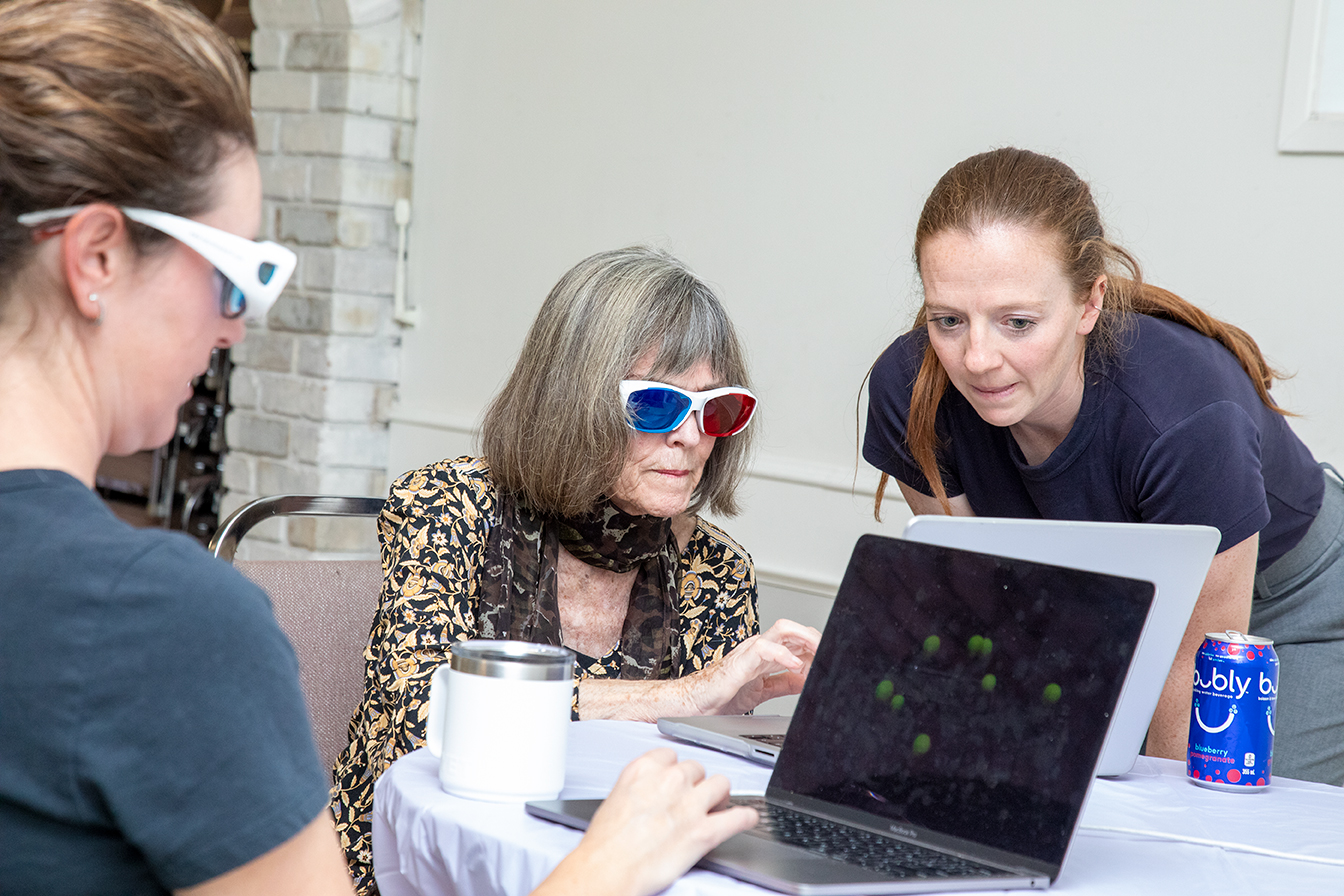
Not every meaningful photograph needs obvious action
Busy activities are often easy to photograph because something is visibly happening.
But quieter moments can carry just as much information.
A hand resting on a table.
Someone concentrating on a task.
A shared glance.
A pause in a conversation.
The way someone listens while another person speaks.
These photographs can be easy to overlook during a busy shoot because they do not immediately announce themselves.
They are often the images that make a larger collection feel human.
They create rhythm in an image library and give designers and communications teams something very different from the obvious hero photograph.
Context makes the human story specific
Authenticity is also about place.
If every photograph is cropped tightly around a person, an important part of the story disappears.
The room matters.
The landscape matters.
The tools and materials matter.
The objects people are working with matter.
They tell us where we are and what is actually happening.
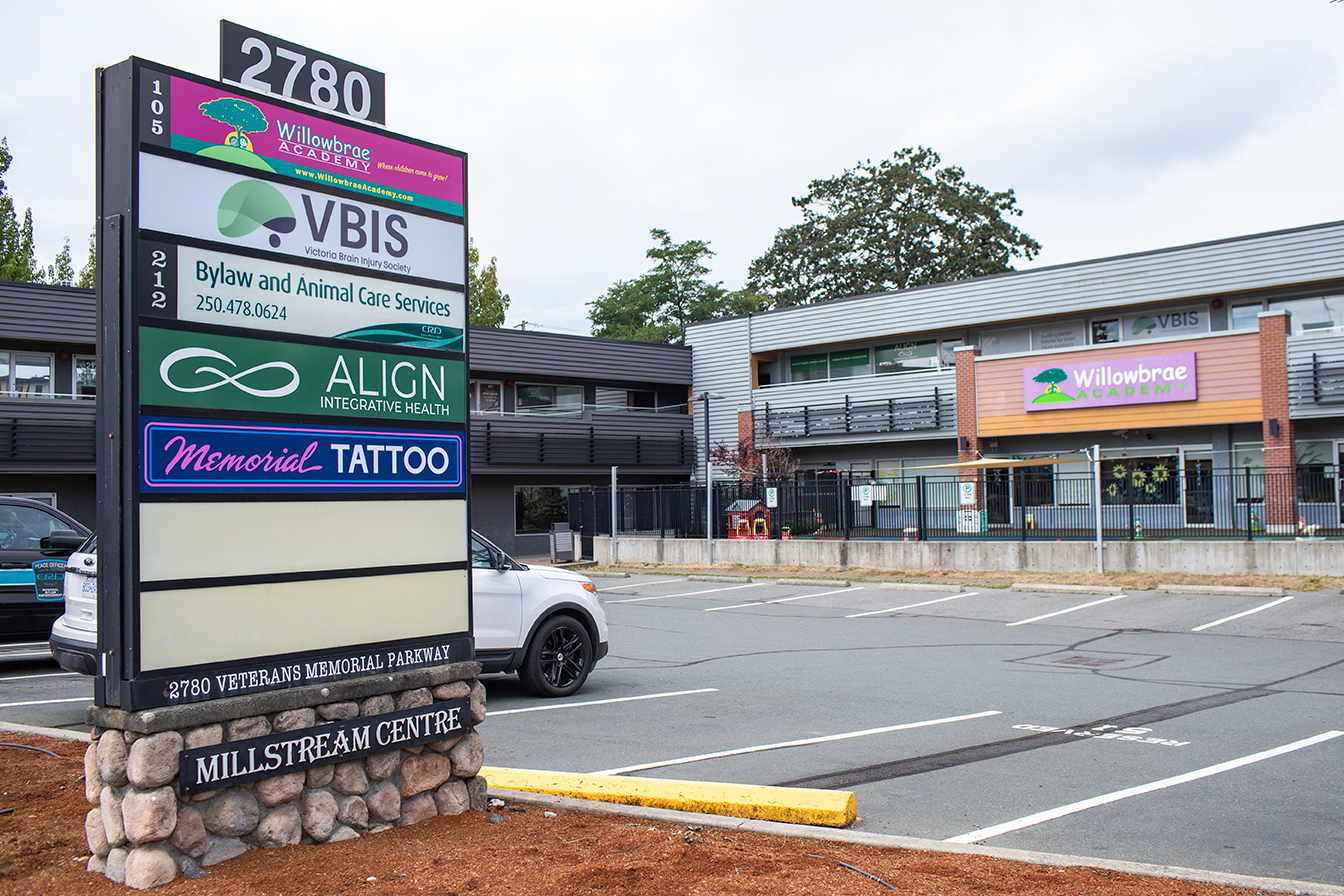
For an organization with multiple programs or locations, environmental photographs are especially important because they allow each part of the organization to retain some of its own character.
The goal is not to make every place look identical.
It is to photograph each place with enough visual consistency that all of the images still feel connected.
A community cannot be represented by one type of photograph
A strong organizational image library needs range.
There should be photographs that introduce the larger story.
There should be groups and shared activities.
There should be individuals.
There should be portraits.
There should be environments, details, gestures, movement, and quieter moments.
There should be horizontal images with room for copy and vertical images that can work in mobile layouts and social campaigns.
Some photographs should work immediately as hero images.
Others should be deliberately less dominant so they can support a page, report, presentation, or campaign.
No single photograph needs to explain the entire organization.
The strength comes from the collection.
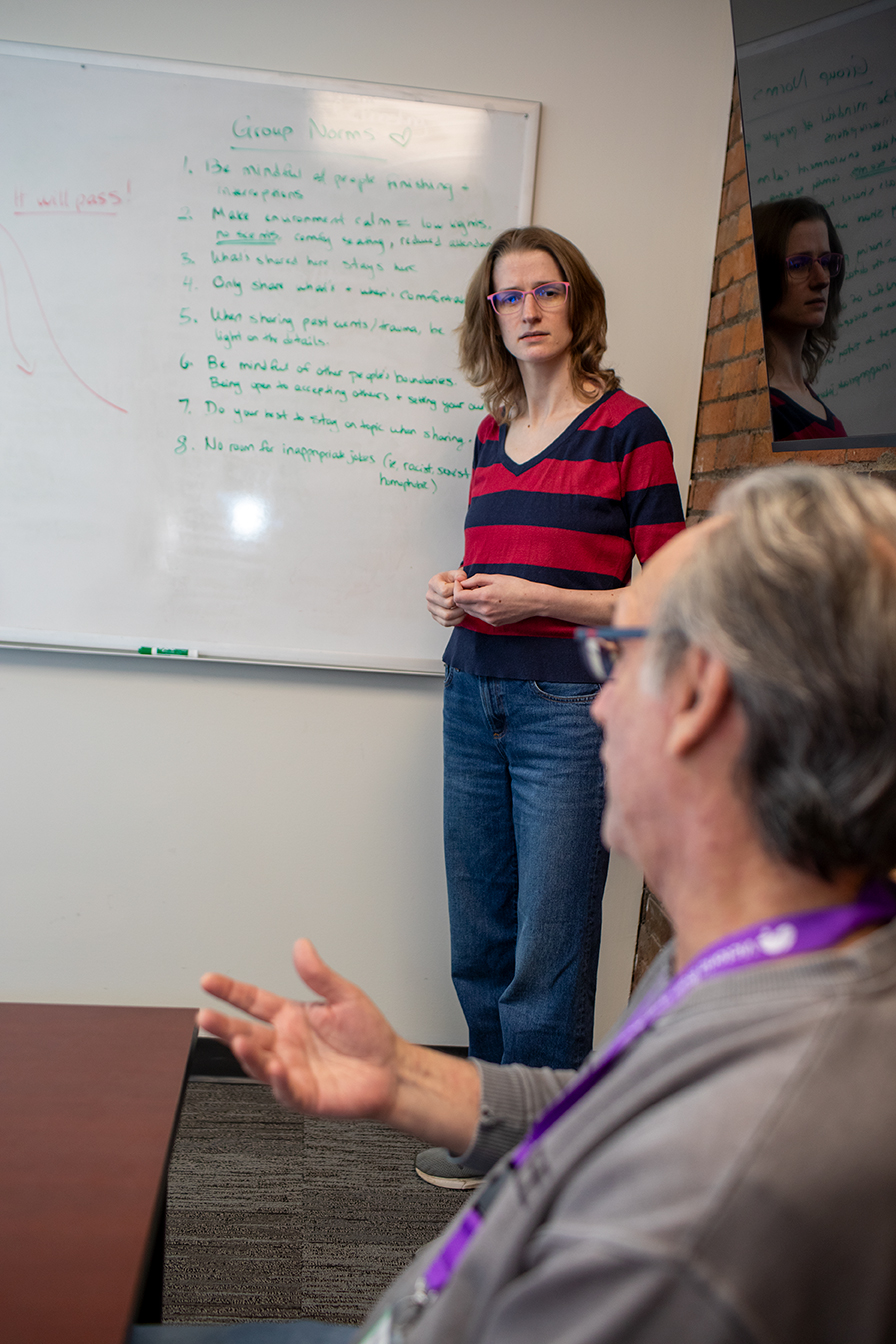
Consistency should connect the work, not homogenize it
This is where visual consistency becomes important.
An organization may have many programs, many participants, and many environments.
If every photograph is approached completely differently, the final library can feel fragmented.
But consistency does not mean making everyone look the same.
It can come from subtler things:
the quality of light;
the treatment of colour;
the way people are represented;
the degree of direction;
the relationship between people and their environment;
the balance between wider storytelling images and closer human moments.
Those choices create cohesion without requiring every photograph to follow the same formula.
The people remain individual.
The programs remain distinct.
The overall collection still feels like one story.
Dignity is part of the visual strategy
For many community, nonprofit, healthcare, social-service, and support organizations, there is another consideration that goes beyond aesthetics.
How people are represented matters.
Photography can unintentionally reduce someone to the reason they are receiving a service.
A person can become a visual symbol for a diagnosis, a challenge, a need, or an organizational mandate.
That may communicate the subject quickly, but it can also flatten the individual.
Strong community photography should allow people to appear as people first.
Capable. Complicated. Engaged. Funny. Thoughtful. Concentrated. Social. Quiet. Independent.
The photograph can still communicate what the organization does.
But it does not need to define the person entirely by that service.
That approach is not only more respectful.
It usually produces more believable and useful photographs.
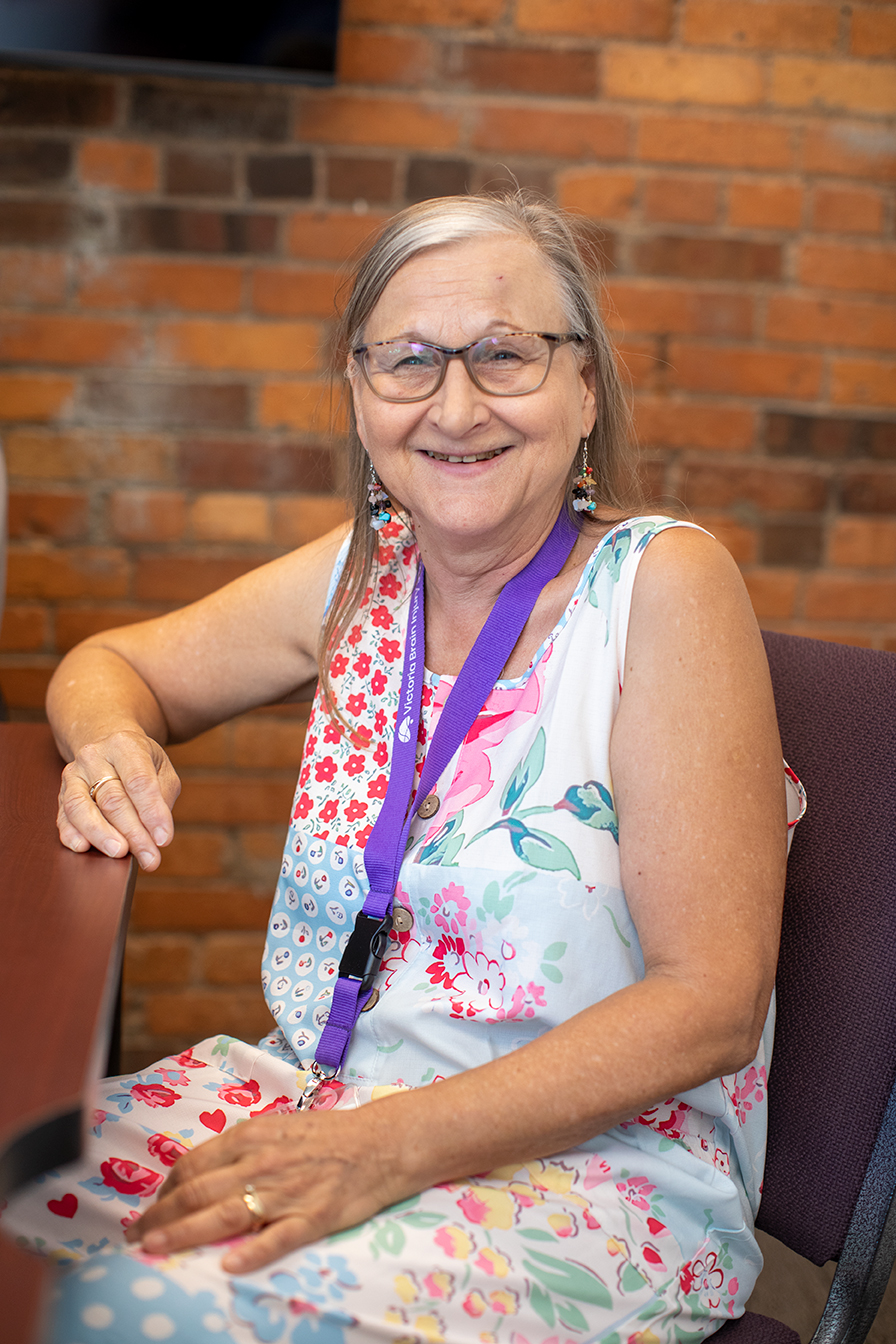
The image library should reflect the complexity of the organization
Organizations are rarely one thing.
They may provide services, education, advocacy, recreation, community, support, and connection at the same time.
That complexity can be difficult to communicate with a handful of photographs.
A larger image library creates the opportunity to show the organization from several perspectives.
One photograph might communicate scale.
Another might communicate intimacy.
One might explain a program.
Another might communicate trust.
A portrait might introduce an individual.
A detail might simply establish a sense of place.
Together, those photographs create something closer to the actual experience of the organization.
Plan for the library, then watch for the moment
There is a useful tension in this kind of work.
The shoot needs structure.
There may be a long shot list, multiple programs, limited time with participants, changing locations, releases, scheduling, and specific communications needs.
That planning matters.
But once the photography begins, it is equally important to remain open to what was not on the list.
The unexpected interaction.
The expression between the planned photographs.
The small detail that explains an activity more clearly than the wide shot.
The moment that could never have been described in advance.
The shot list makes sure the organization gets what it needs.
Paying attention makes sure it also gets something real.
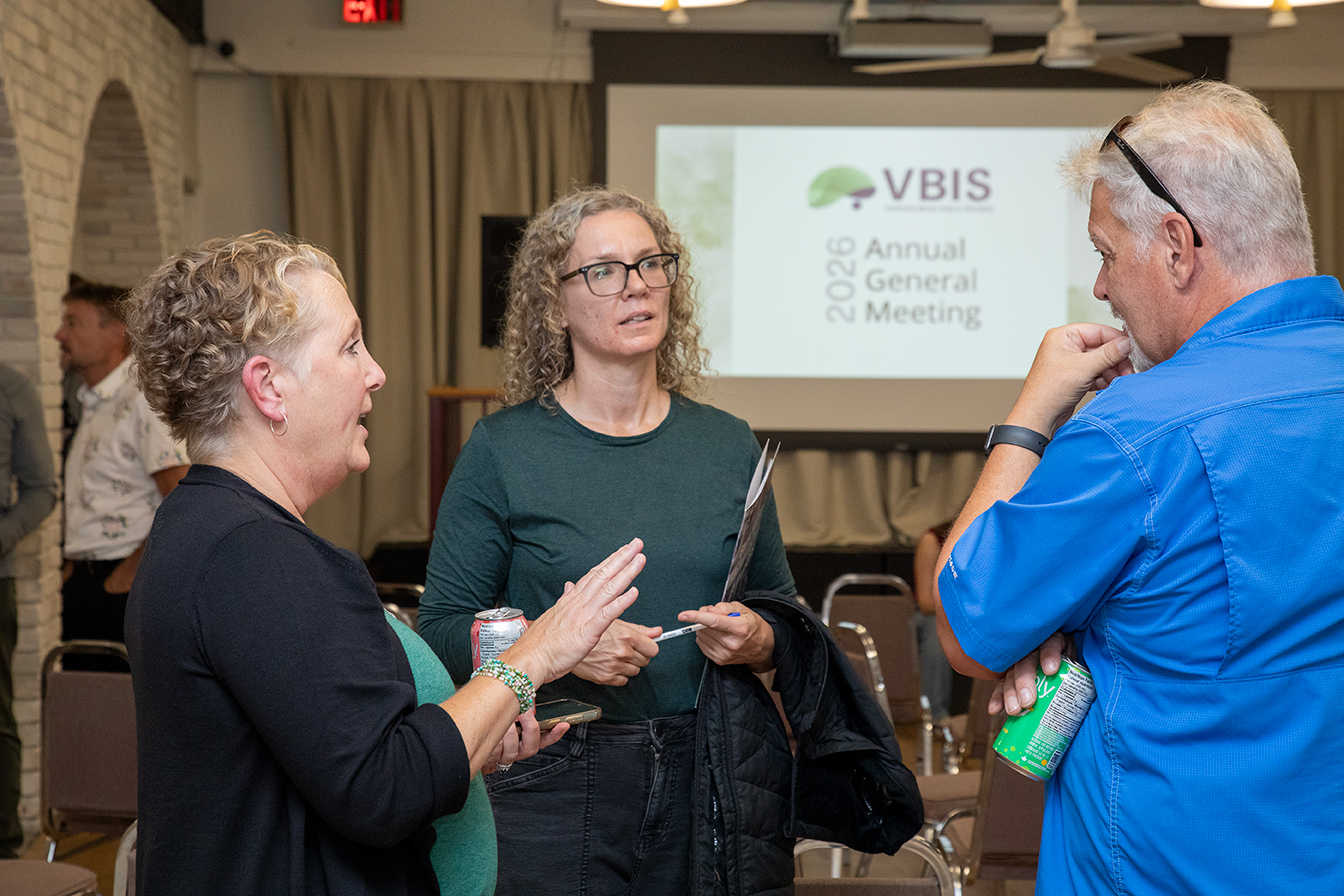
Showing both the individual and the whole
Photographing community at scale is not simply a matter of fitting more people into the frame.
It is about creating enough breadth to represent the organization while still paying attention to the small moments that make its work believable.
The larger the assignment, the more important those individual moments become.
They stop the photography from becoming generic.
They remind us that programs are experienced by people, not by demographics or categories.
And they give an organization an image library that can communicate both the scale of its work and the human stories within it.
A community is made up of individual stories. Good photography has to show both.